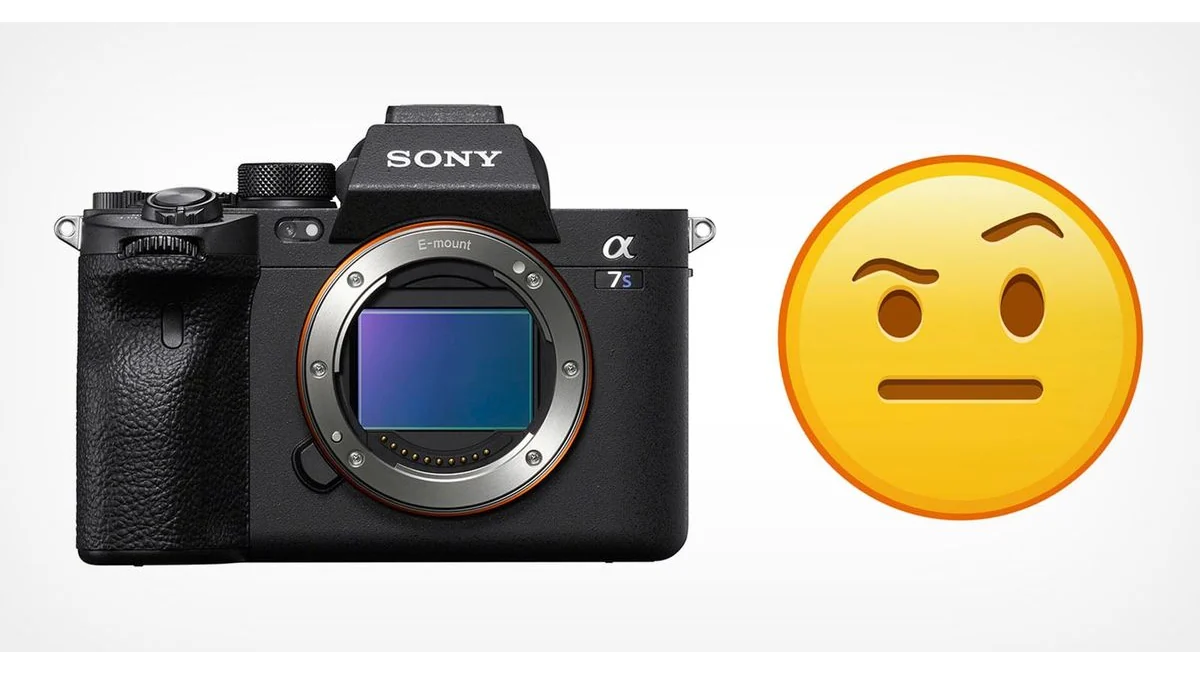
Analysis
The September registration report left the camera’s identity unresolved. Compare the speculative sensor with the confirmed A7S III, then consider the crop, viewfinder and recording setup.

Analysis
Follow the change from 1/250 to 1/1000 second, then inspect the crop and final output. Captured light, processing and subject detail each affect the useful ISO limit.
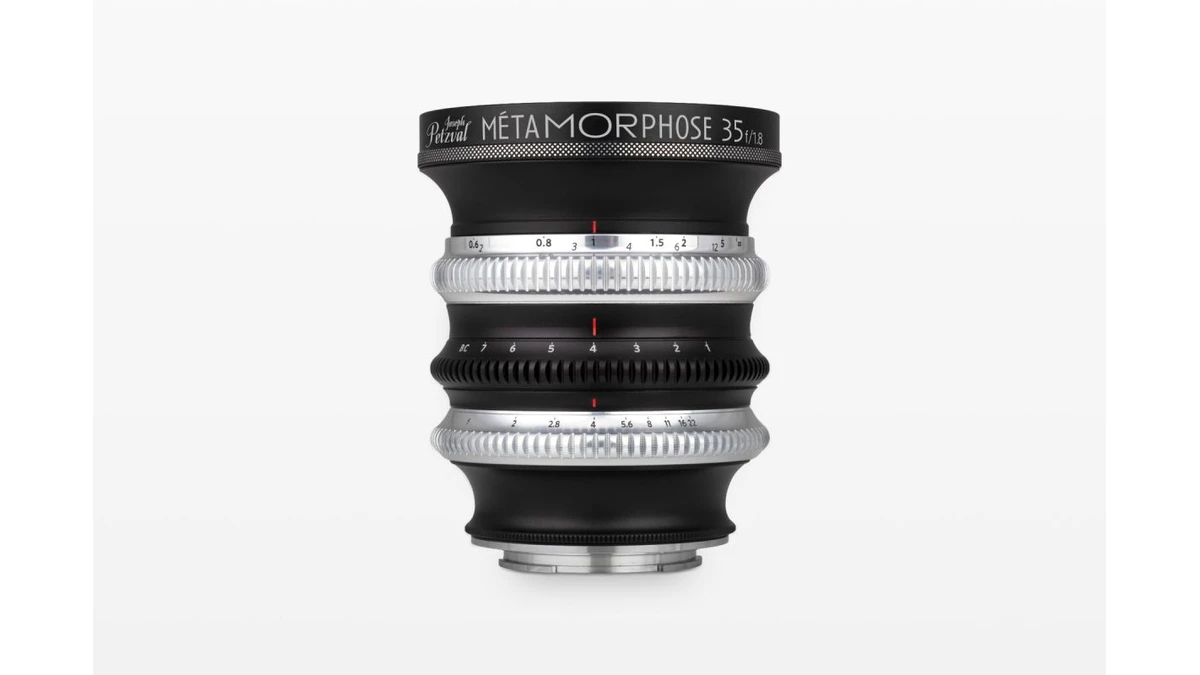
First Look
A portrait against foliage and one against open sky give the ring different material to work with. Explore the composition choices behind the new lens’s announced effects.
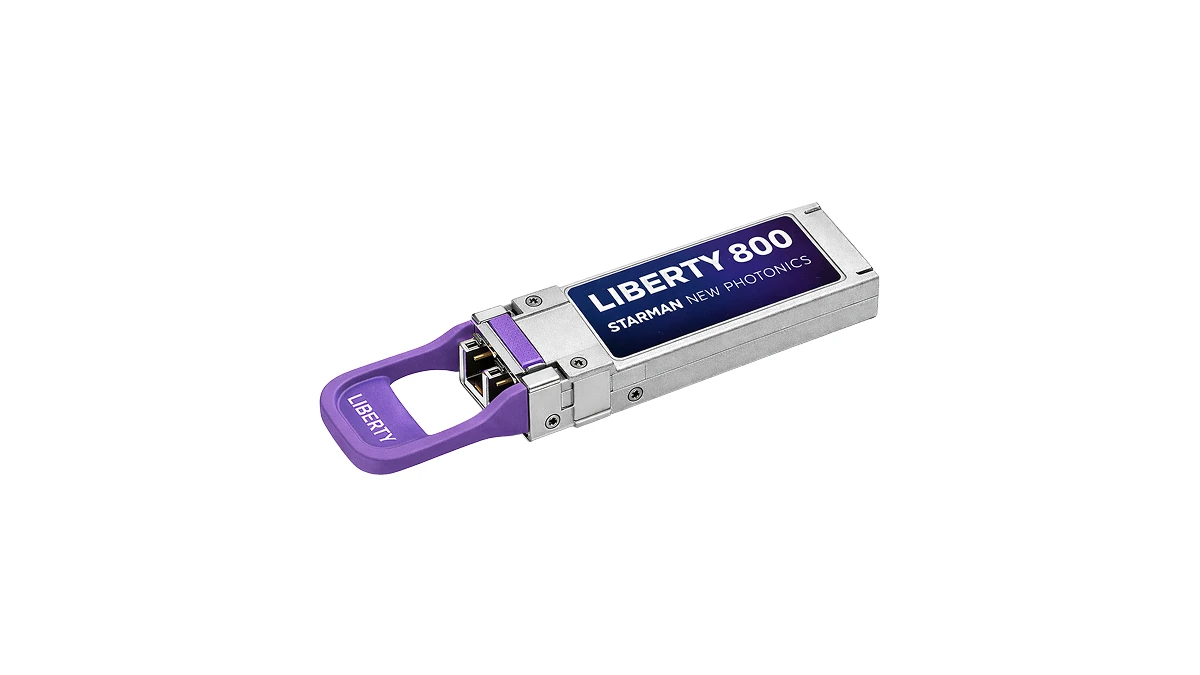
Analysis
Follow an electrical signal into a fiber link, then separate a shipping label from qualification and a production target. Those are different parts of the proposed partner’s business.
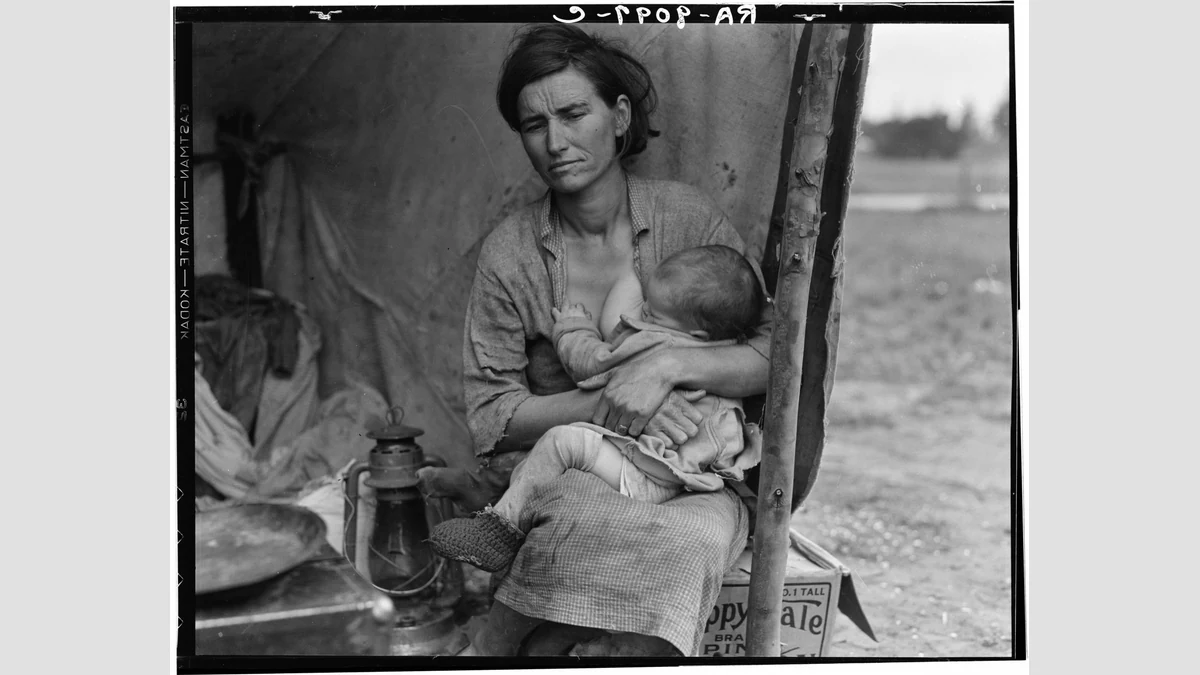
First Look
Compare two photographs, then listen to the family. The space around Thompson reveals how a powerful composition can become a smaller story than the person inside it.
Analysis
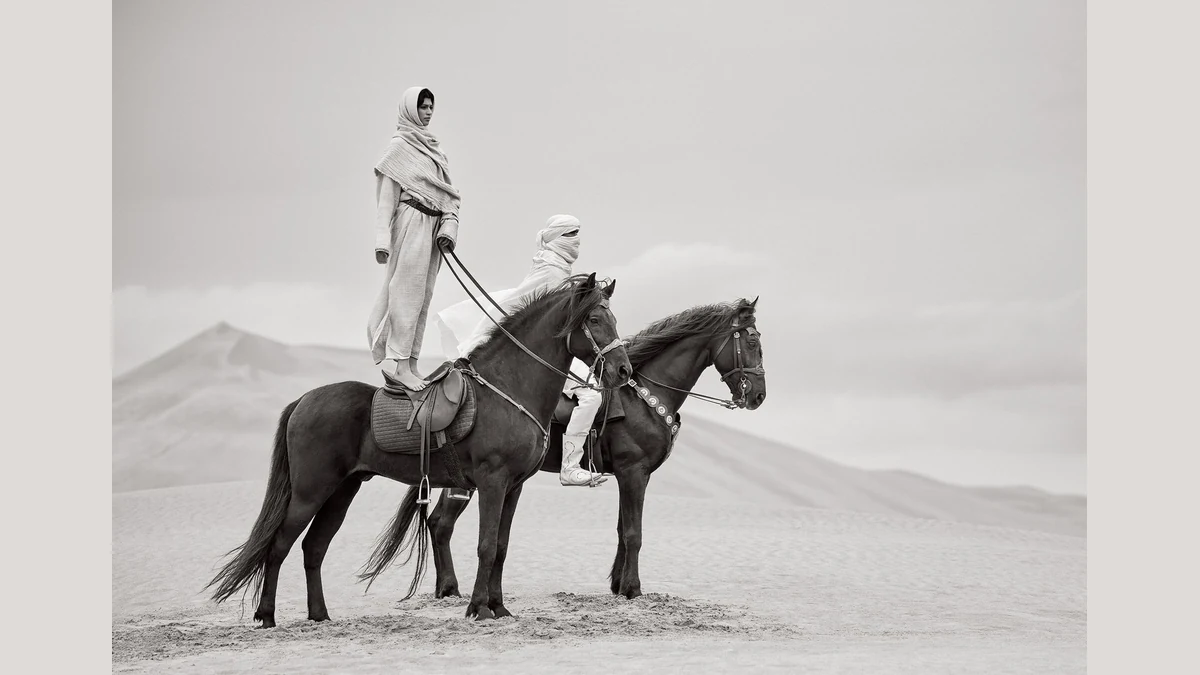
Follow a cloak’s outline, then a figure without a readable face. The two series offer practical ways to direct a photograph while leaving room for a viewer’s imagination.
Analysis
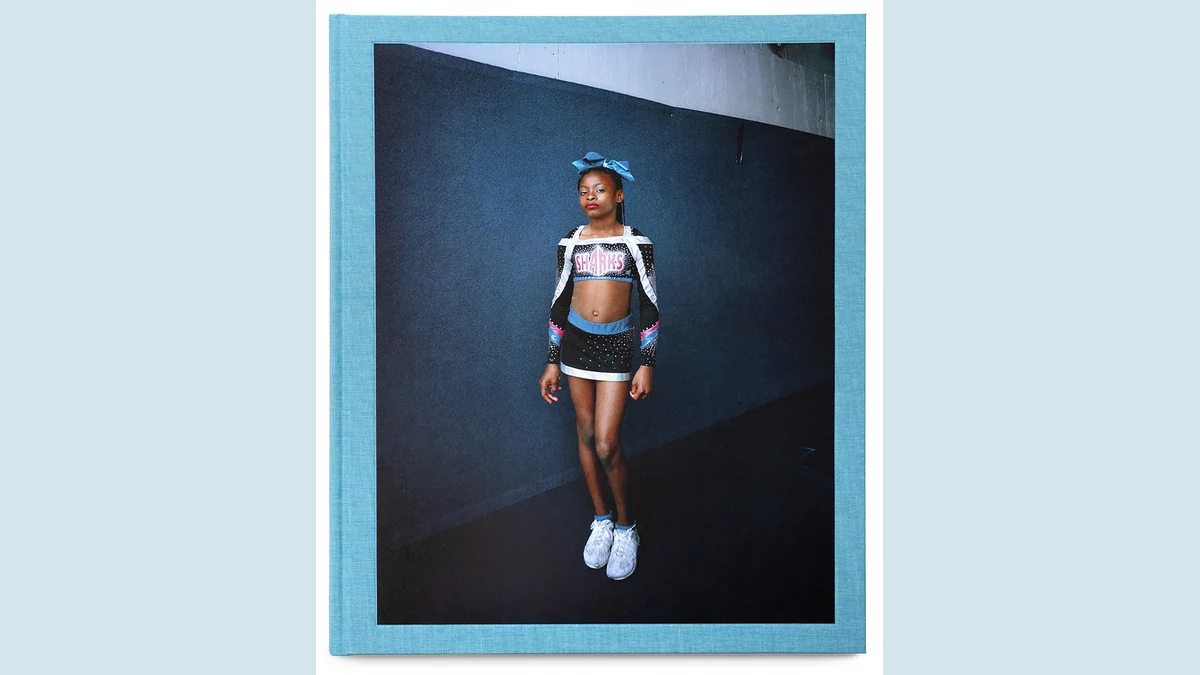
The book selects 54 photographs from more than 400 participants. Look at how a personally chosen object, a slow sitting and the final edit shape who a portrait lets us meet.
Analysis
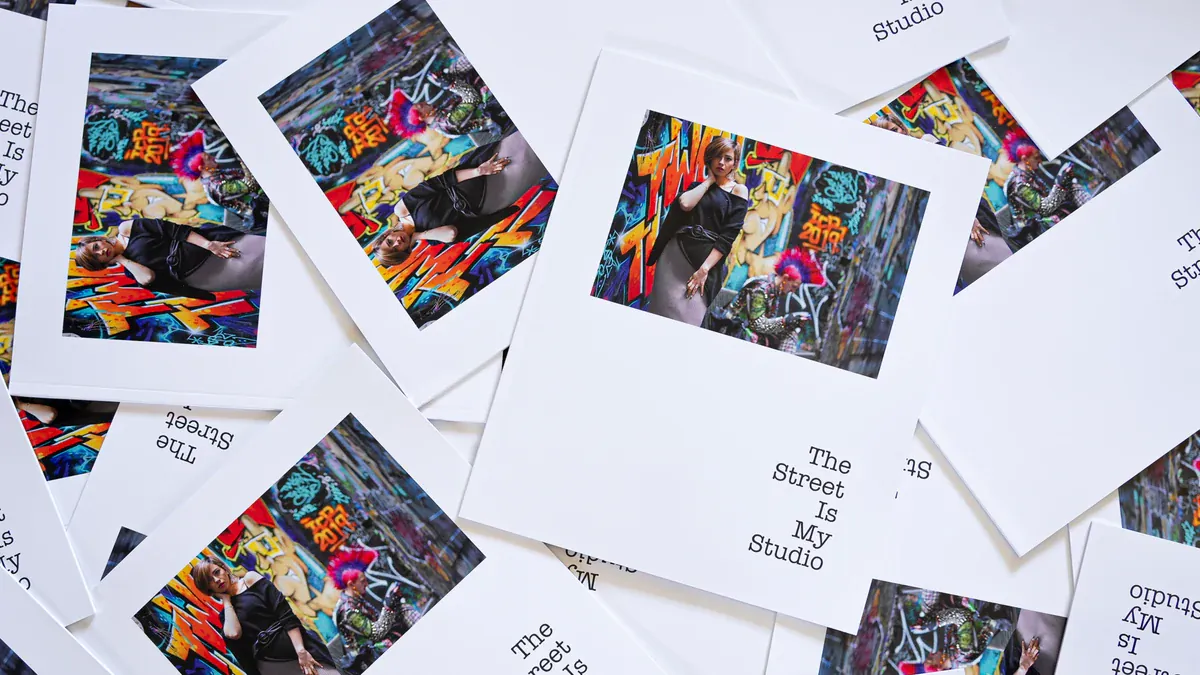
Compare finding a moment with building one together. Then try an editing exercise that reveals what a location contributed beyond the assignment’s brief.
Analysis
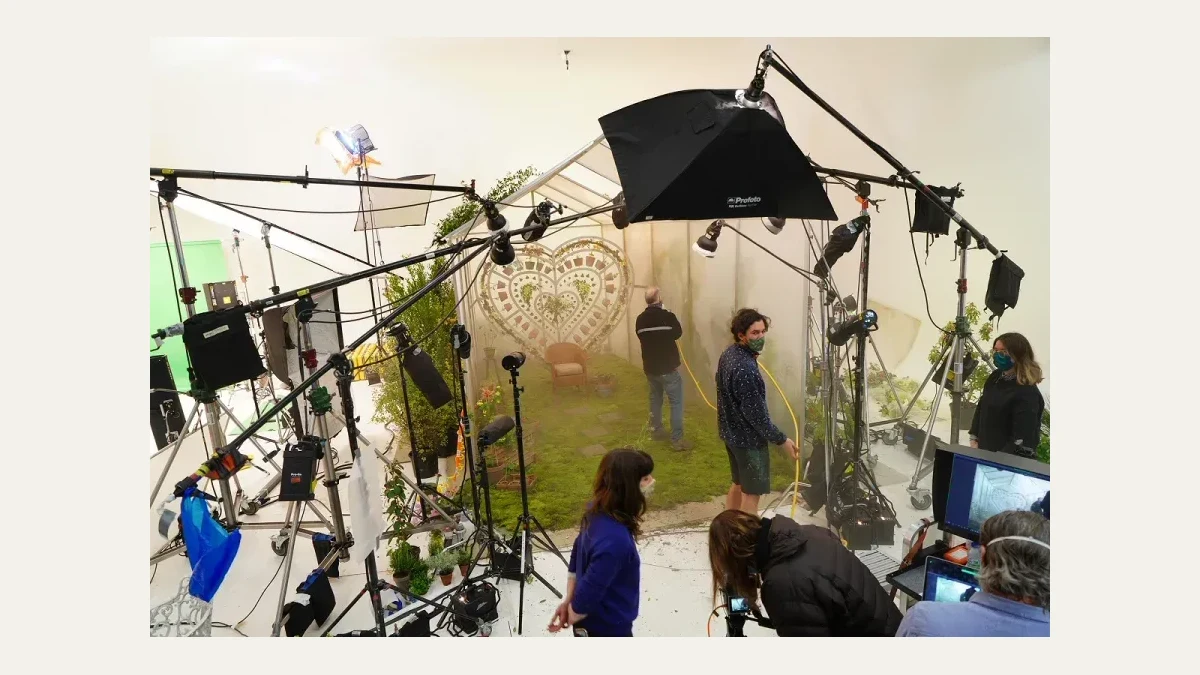
Follow the choices behind miniature villages, Thames histories and lockdown windows. The scale changes, while the work of turning an idea into a frame remains recognizable.

First Look
Compare an editing lesson at the Morgan with a festival session or book conversation. Find the dates and walking routes, with capacity limits beside the events that need them.
Analysis
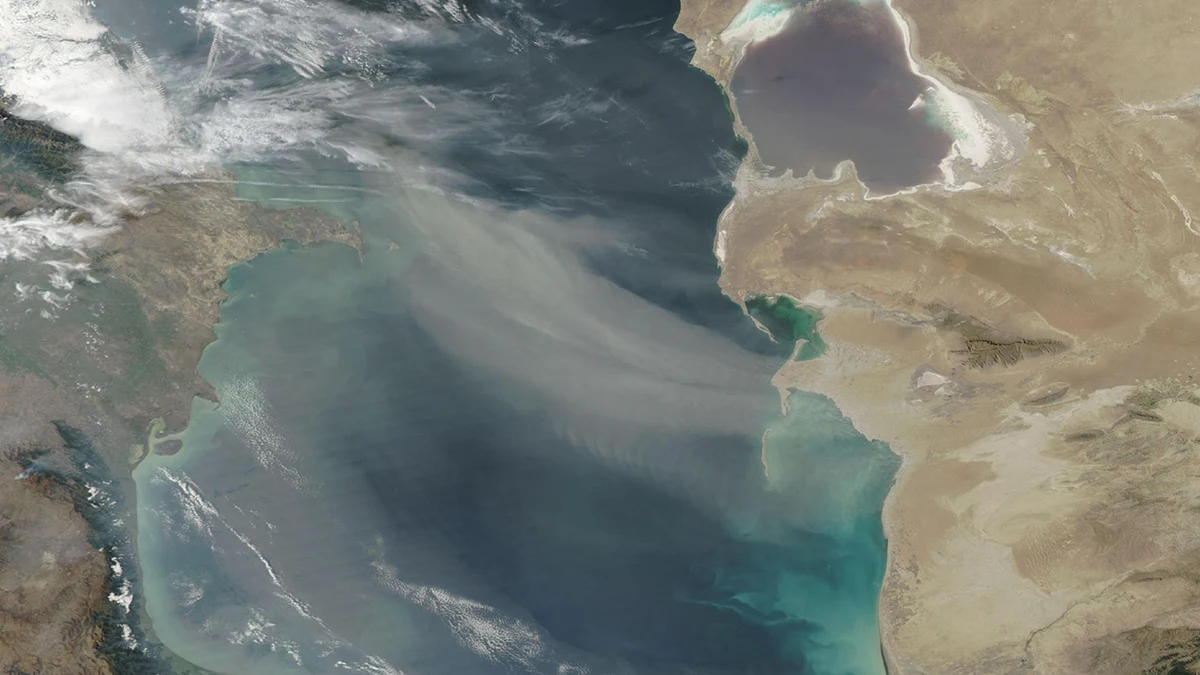
Follow the shoreline and the plume, then check the caption. Color, resolution and acquisition time explain what this satellite view lets us see at a regional scale.
Analysis
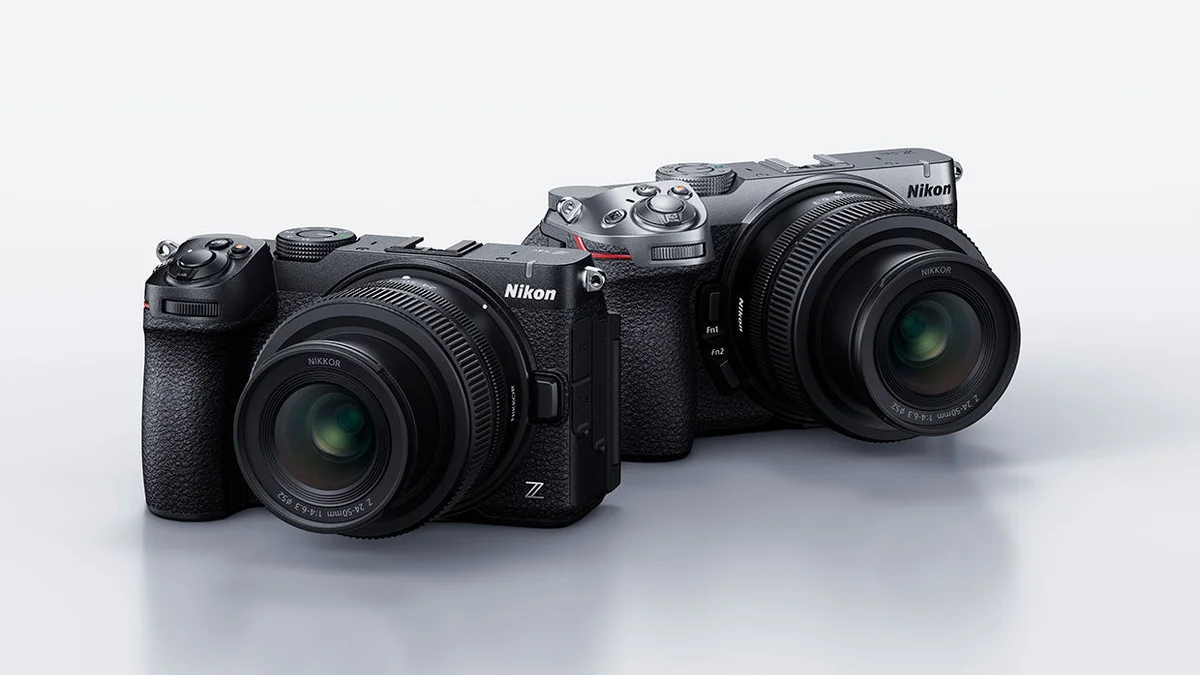
Scene modes, direct controls and shipment rankings answer different questions. Explore what each view of Nikon leaves available to the photographer.
Analysis
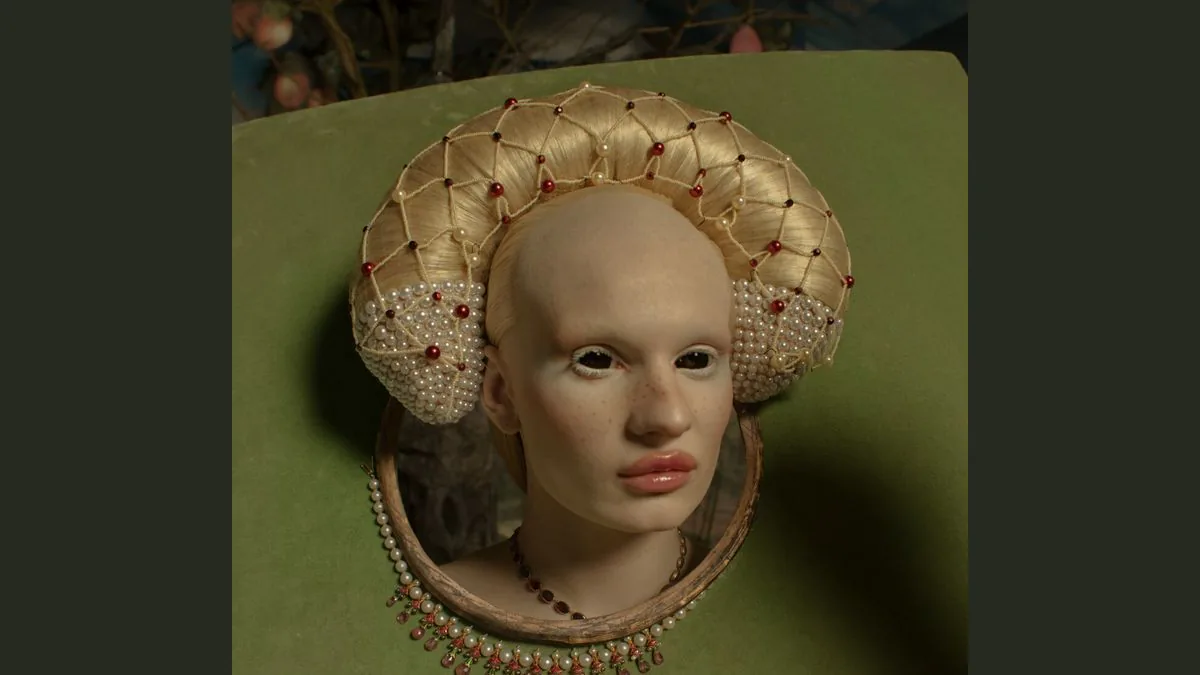
A set designer’s peaches, a family garden and a sitter’s chosen object reveal different ways to share the making of a photograph.
First Look
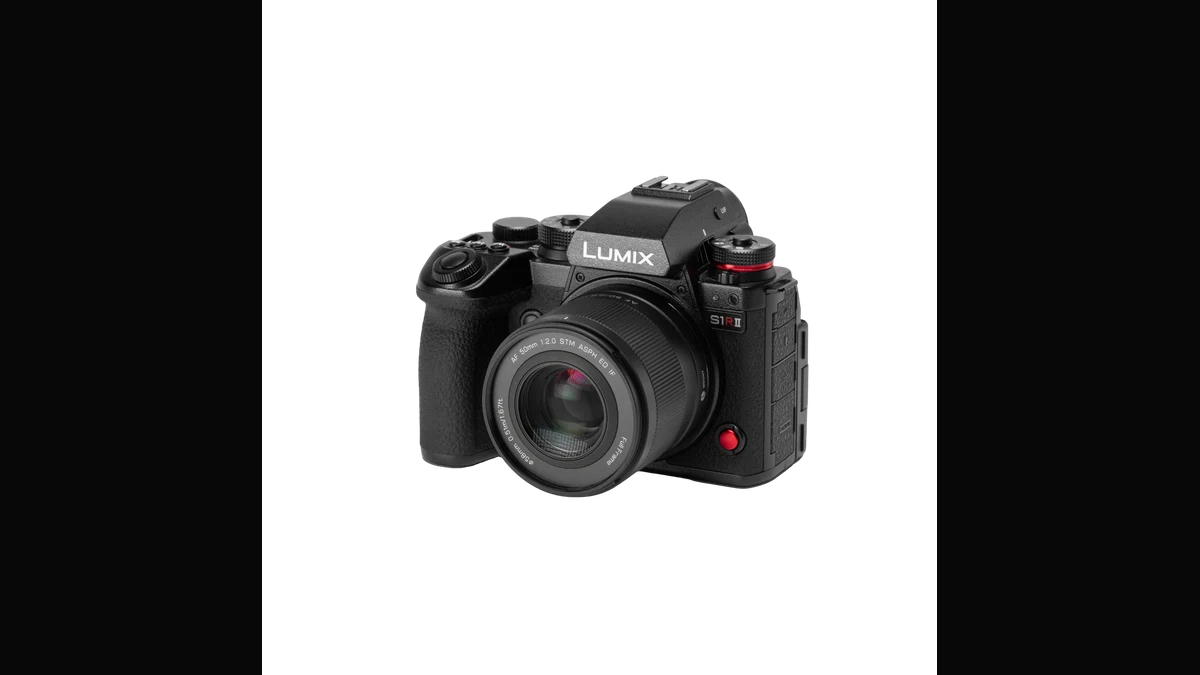
Follow the change from 14mm to 50mm, then compare aperture and compatibility. Each lens leaves a different amount of room around the subject.

Tutorial
Start with the bird’s light, then follow a sky-to-trees example. Manual exposure and Auto ISO solve different parts of the same moving-subject problem.
Tutorial
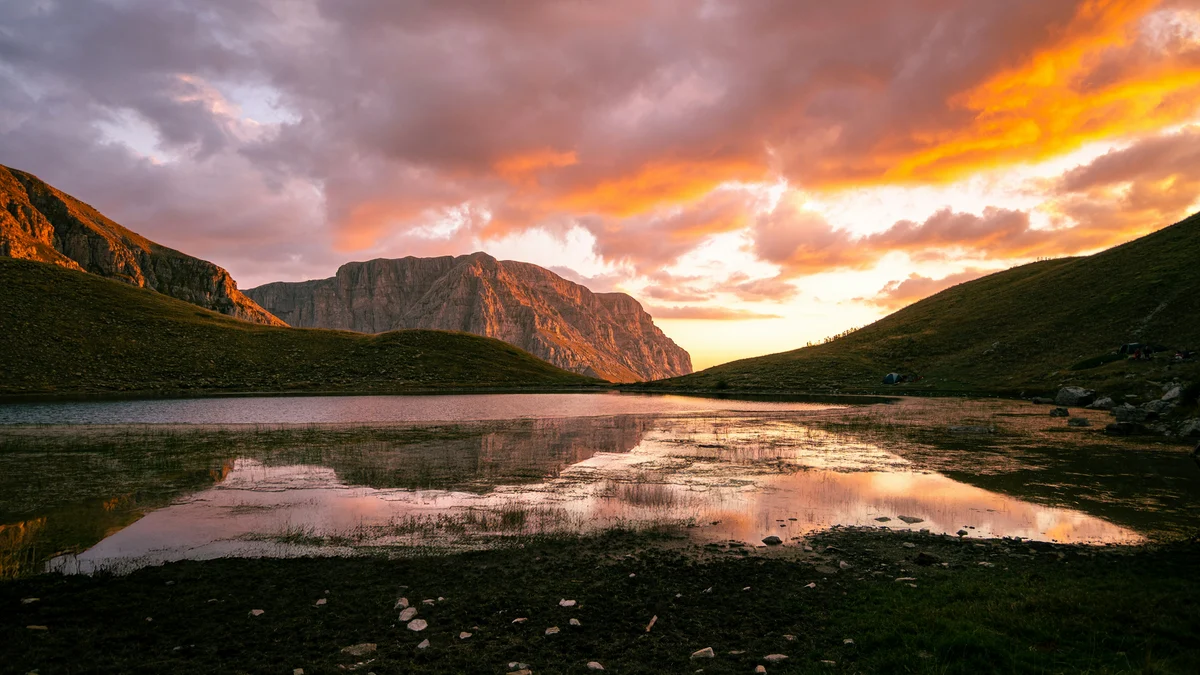
Compare a clean base, a global contrast move and separate regional masks. The strongest edit keeps the texture that made the scene worth photographing.
First Look
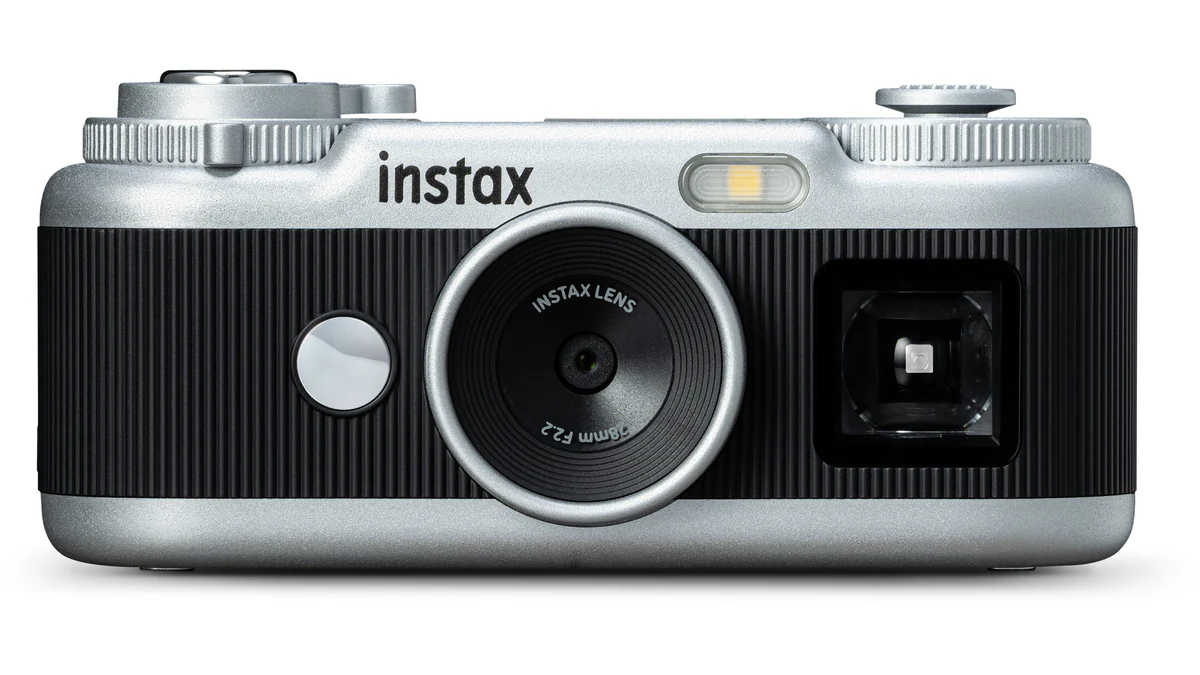
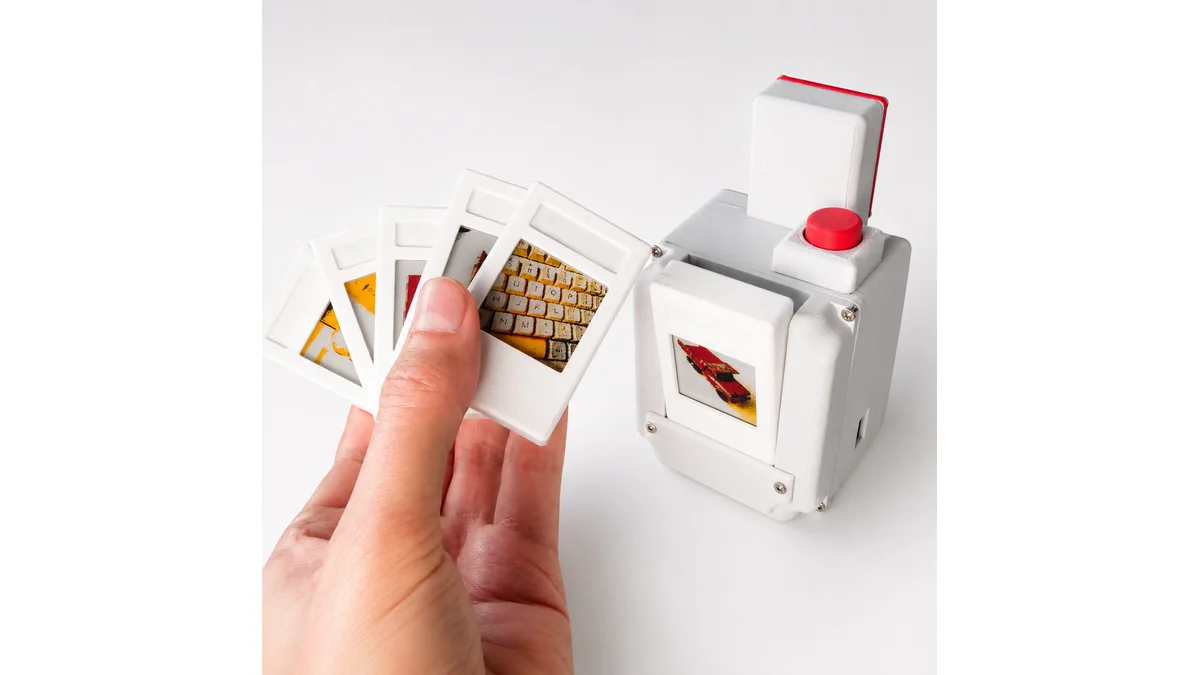
The finder changes your viewpoint, the format changes the edges, and a separate printer changes the destination. Explore the choices inside the miniature design.
First Look
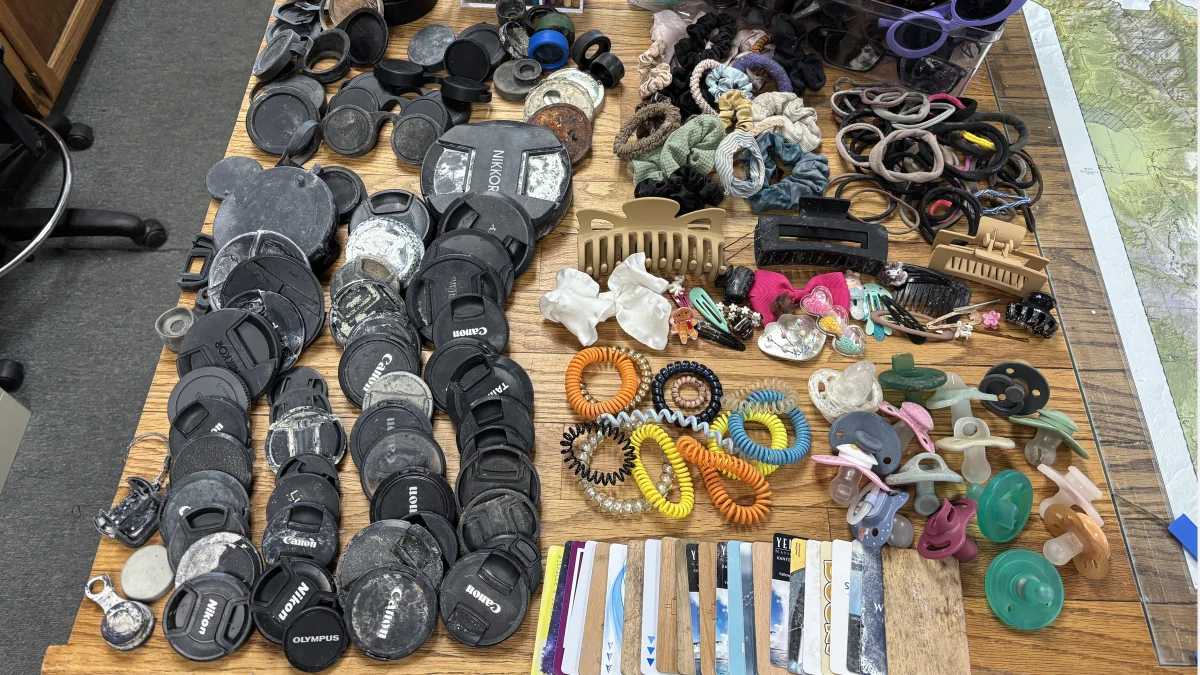
The recovered objects turn a tiny equipment decision into a field lesson: choose the cap’s destination before the view takes your attention.
First Look
This dated route compares documentary context, a cross-generation survey and an outdoor display, with the closed exhibitions clearly identified.

First Look
The numbers explain the extra size. The photographs will have to answer the more personal question: how should a face relate to its surroundings?
Tutorial
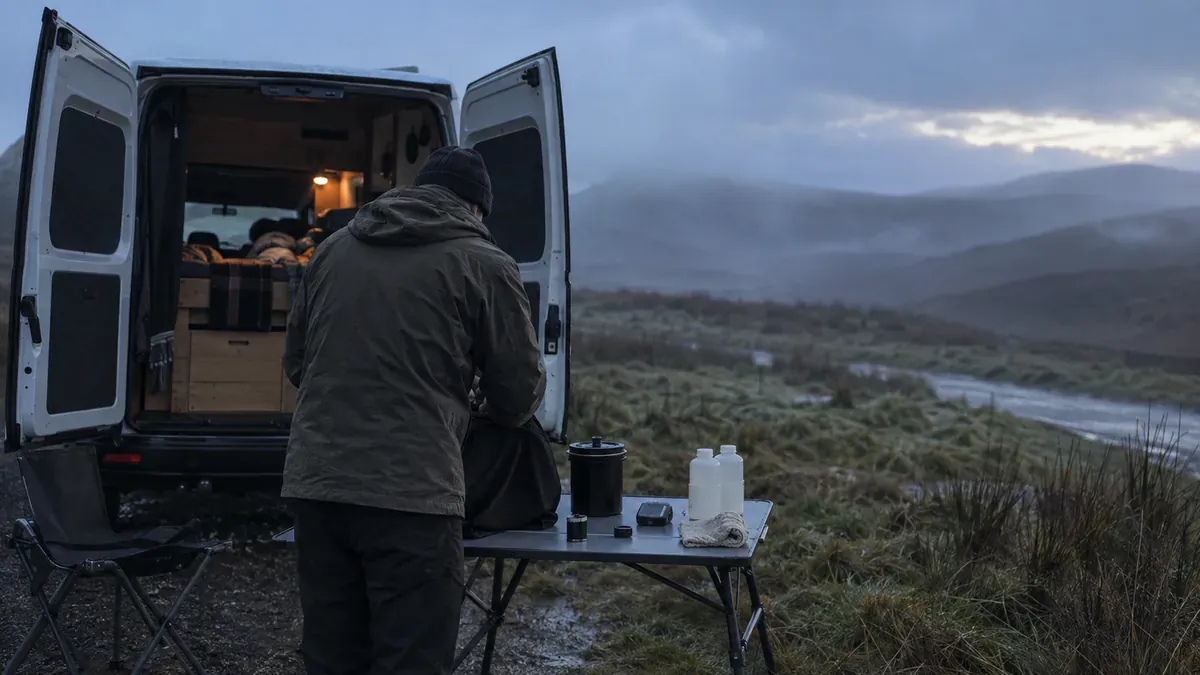
Reel loading and drying caused the memorable trouble in Thomas Heaton’s field experiment. Build a rehearsal around the parts that can damage a good exposure.
First Look
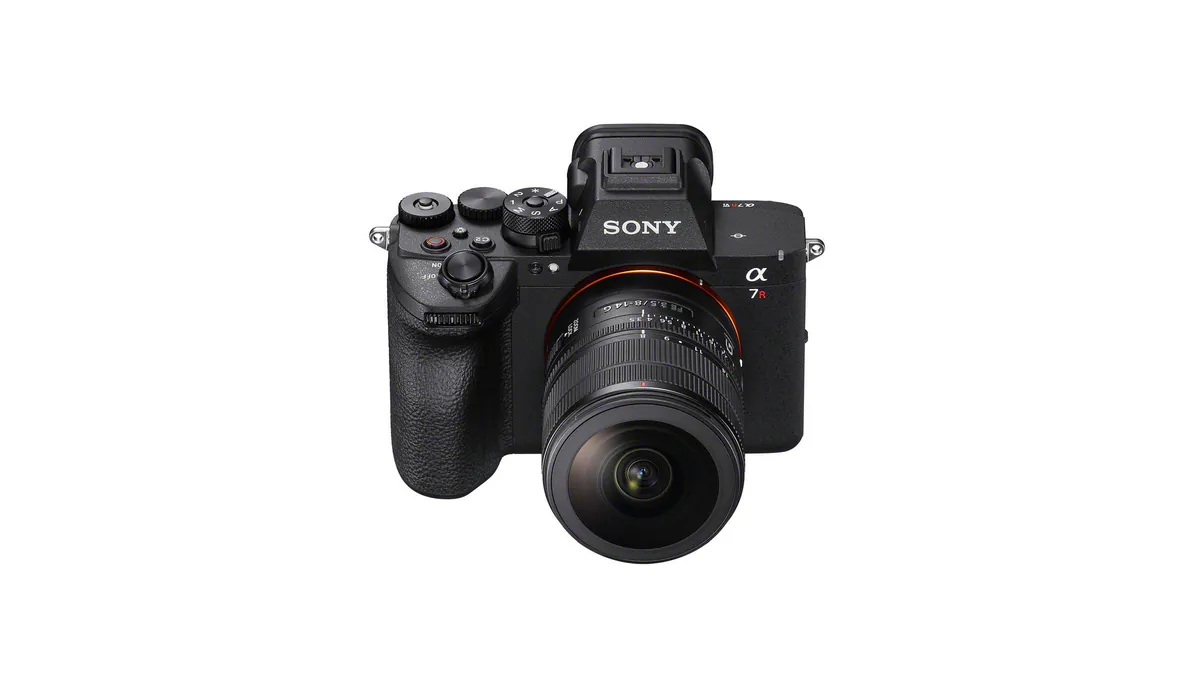
The useful comparison begins at the picture’s edge. Explore camera height, foreground scale and the layout that will preserve the shape you chose.
Analysis
An e-paper cartridge and Fujifilm’s frame-advance ritual reveal different routes into photographic nostalgia. Each changes a different part of the work.
Analysis
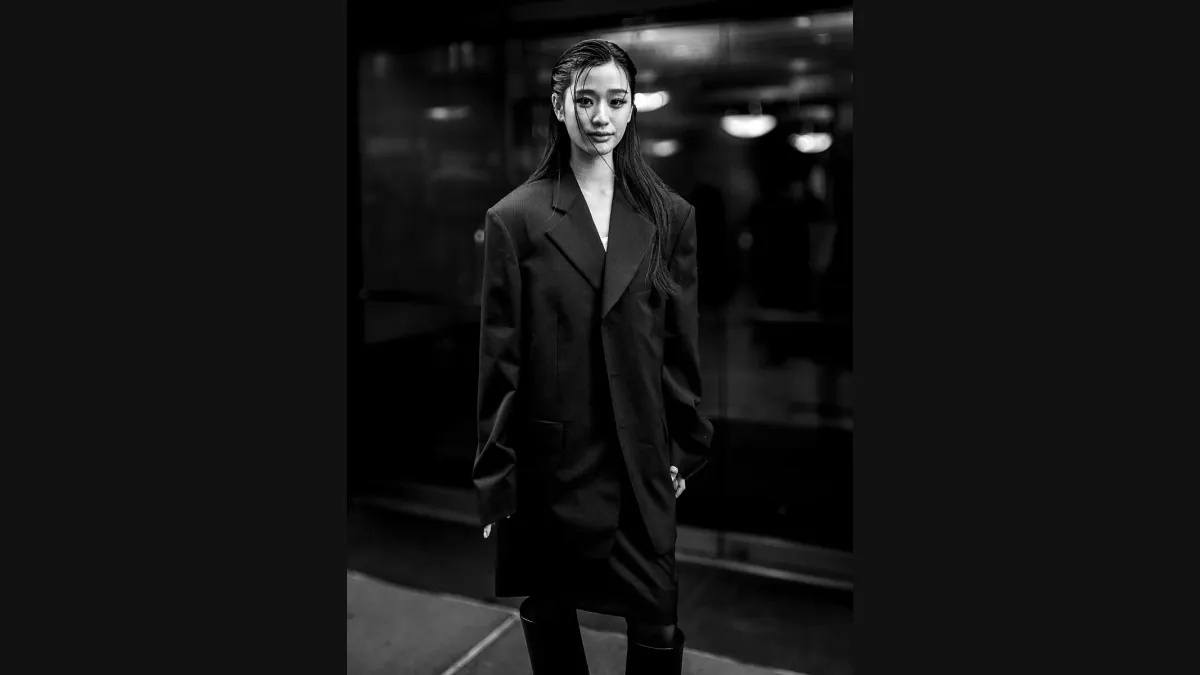
A coat, a gesture and a carefully chosen sequence reveal more than a fashion-house name alone. Follow Locke’s independent photographs into the next creative brief.
Tutorial
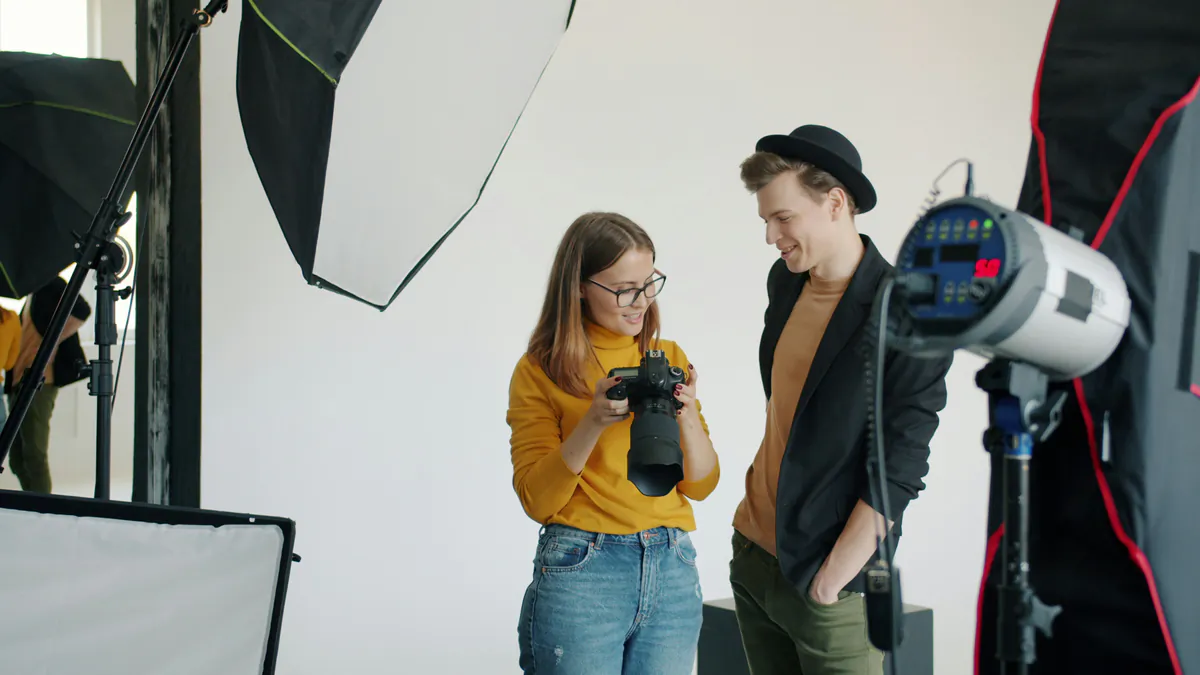
Follow a catchlight, a gentle head turn and one frame with the flash switched off. The comparison reveals what placement, pulse duration and room light each contribute.
Tutorial
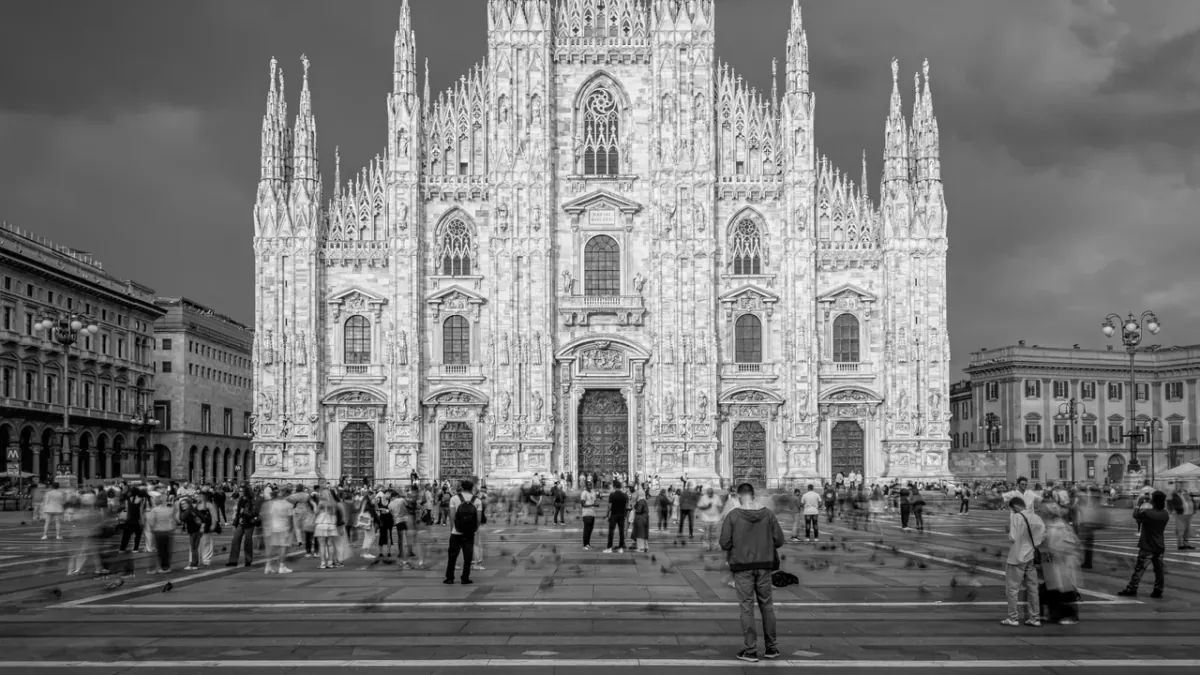
A 60-second exposure and a 15-frame stack solve different problems. Crowd pauses, repeated crossings and clear background views explain what each can change.
Tutorial
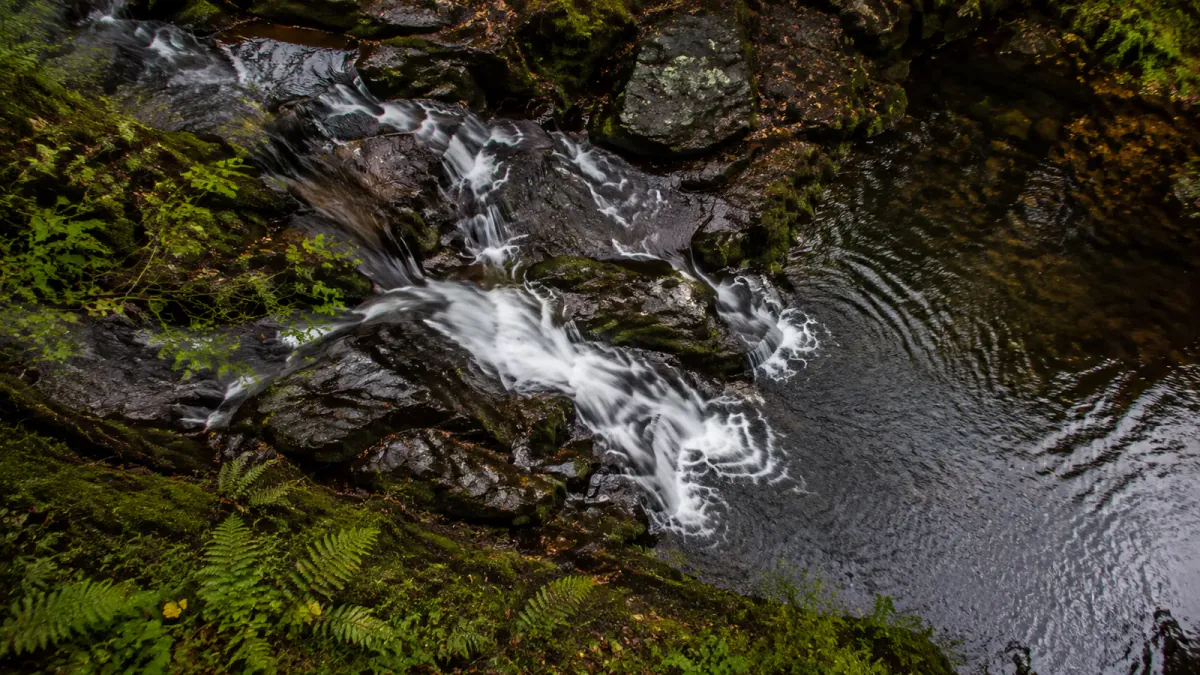
Compare water texture first, then rotate the filter. A three-stop example and a fixed rock help explain what changed while the composition stayed still.
Tutorial
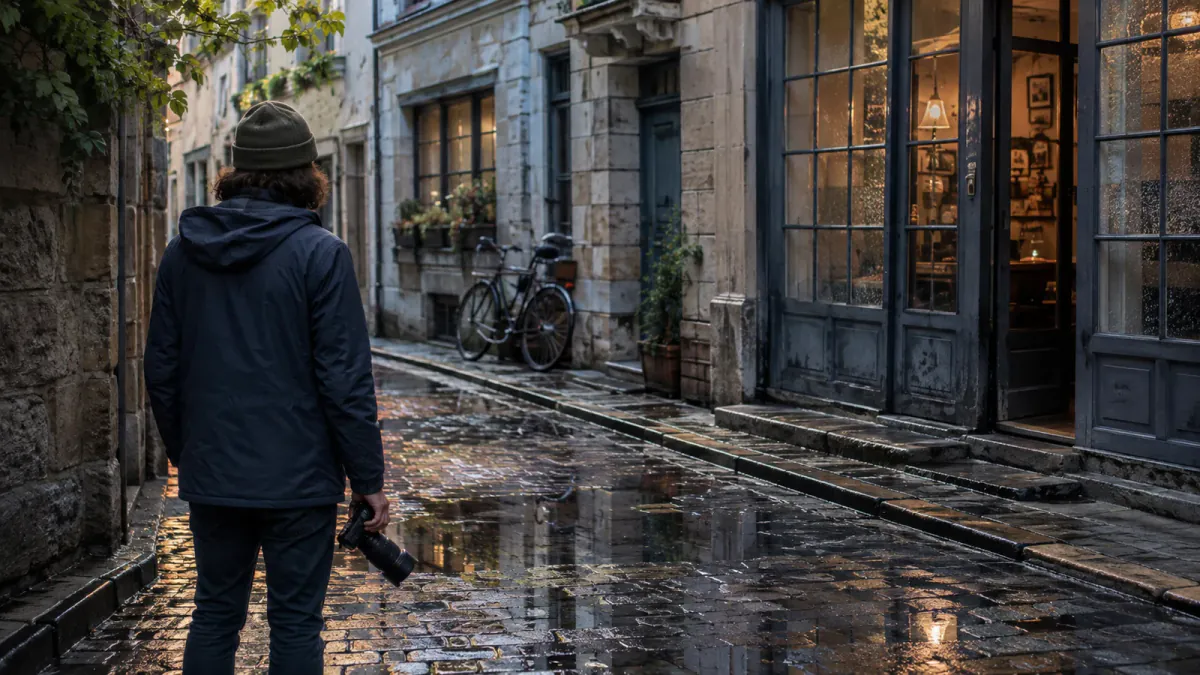
A three-frame sequence separates viewpoint from timing. Follow a light boundary, a doorway and two passing figures without assuming more detail makes a better picture.
Tutorial
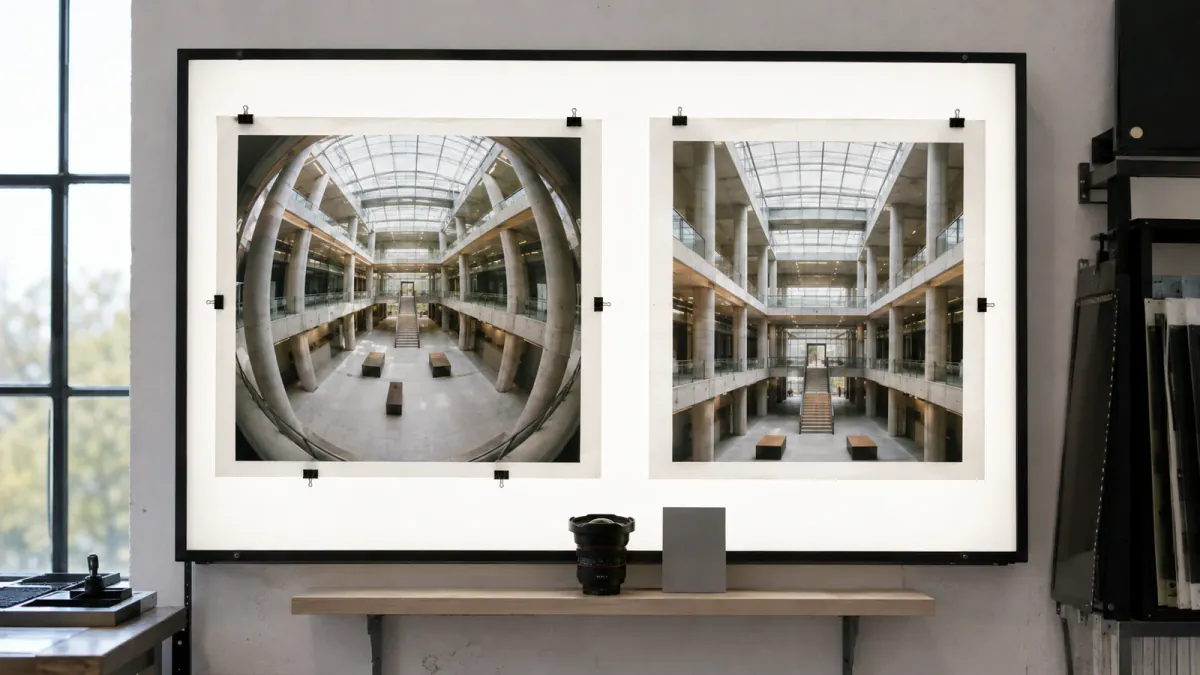
Full correction, partial correction or the original curve: follow the same doorway, face and hand through three edits to see what each version gives up.
First Look
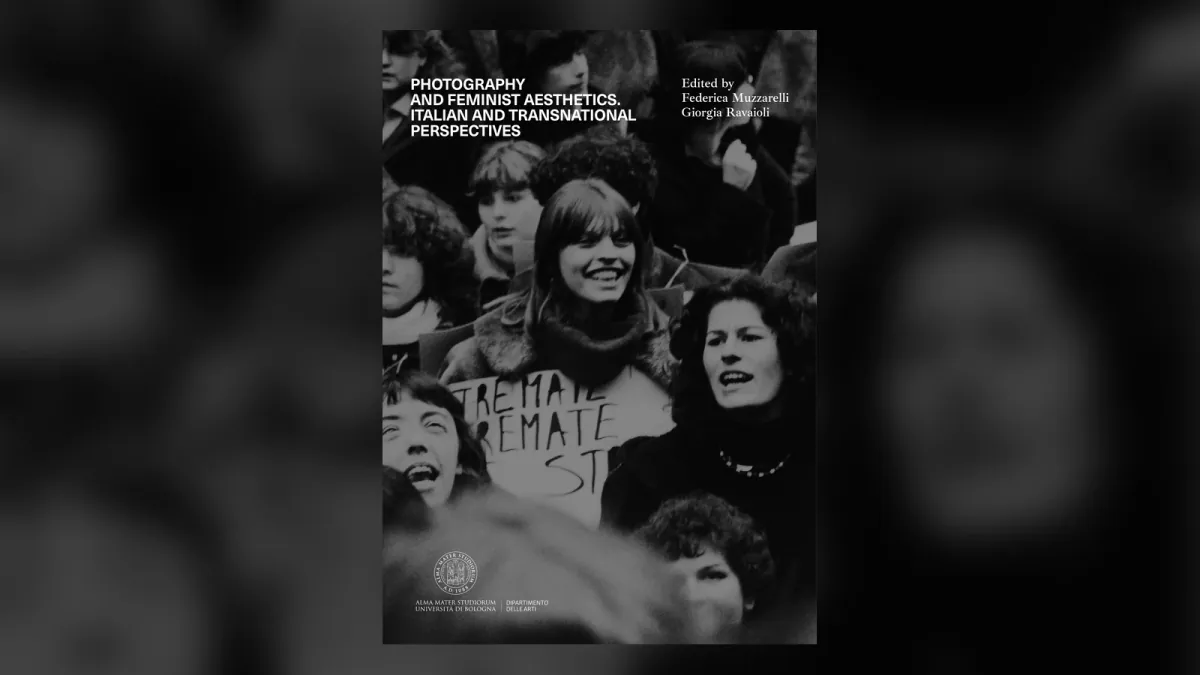
Two studies of Japanese photography offer a route into a much larger collection, connecting curatorial choices, political movements and the printed page around an image.
Tutorial
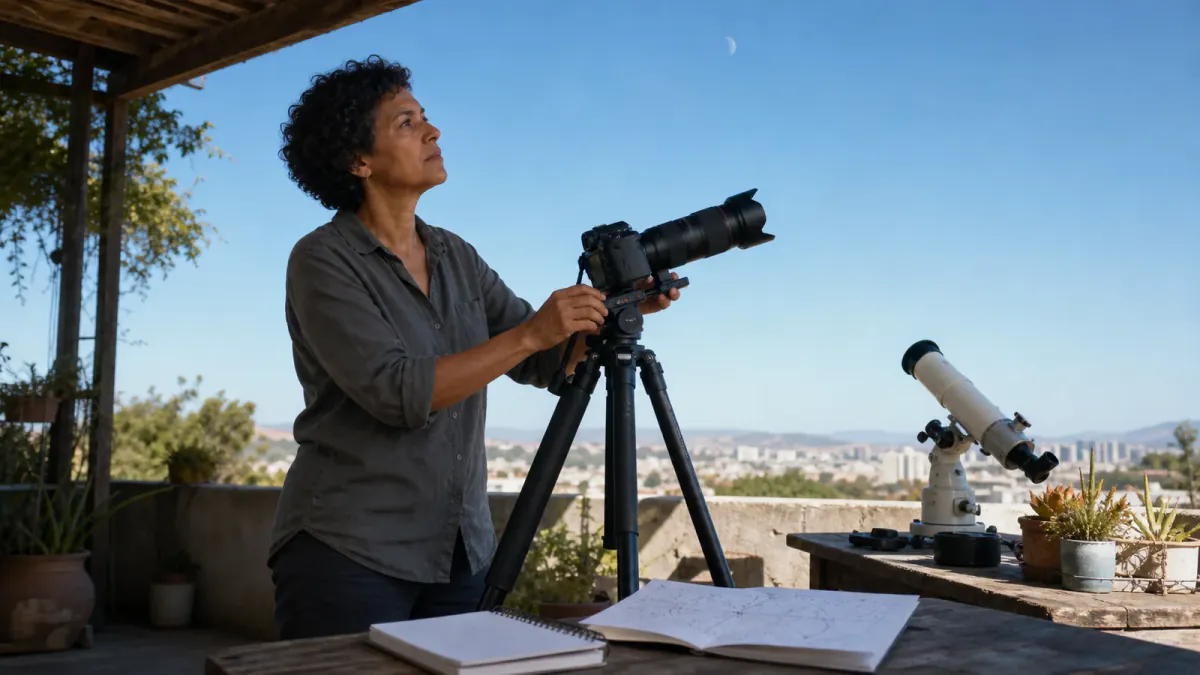
A global event window is not your local contact time. Plan the approach and return, keep the Sun excluded from every optic and preserve the sequence’s recorded timing.
Tutorial
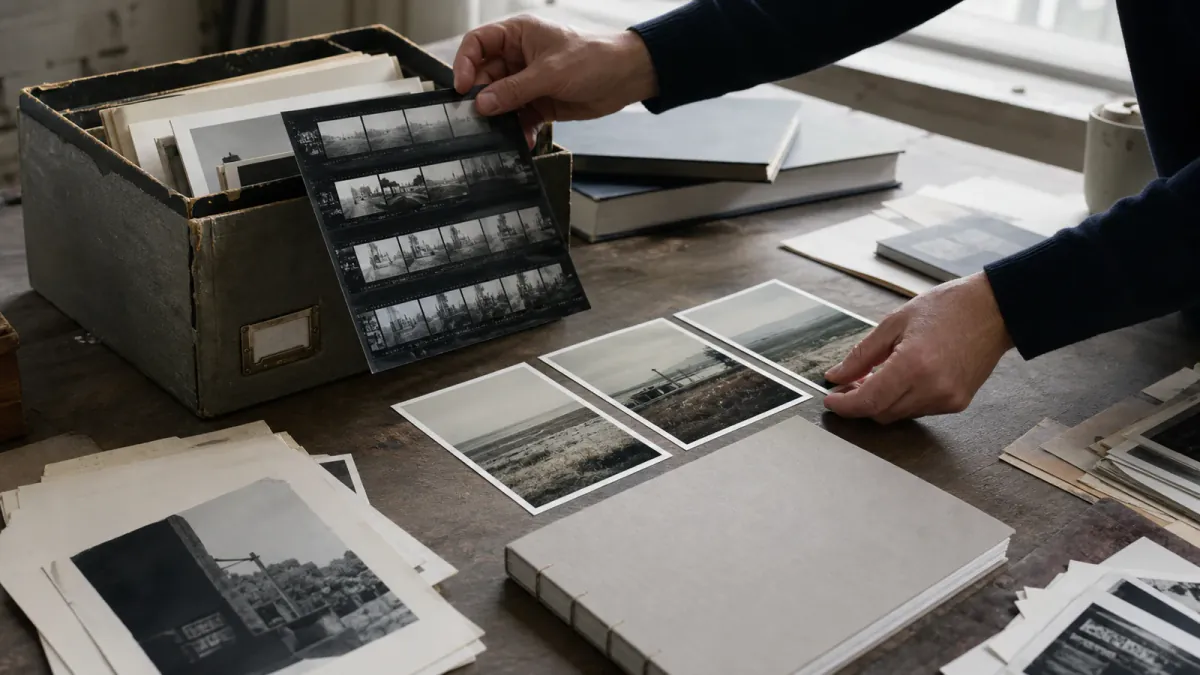
Hide the old ratings, compare two eight-picture sequences and give each frame a job. The missing evening image may be in your archive before it becomes a reshoot brief.
First Look
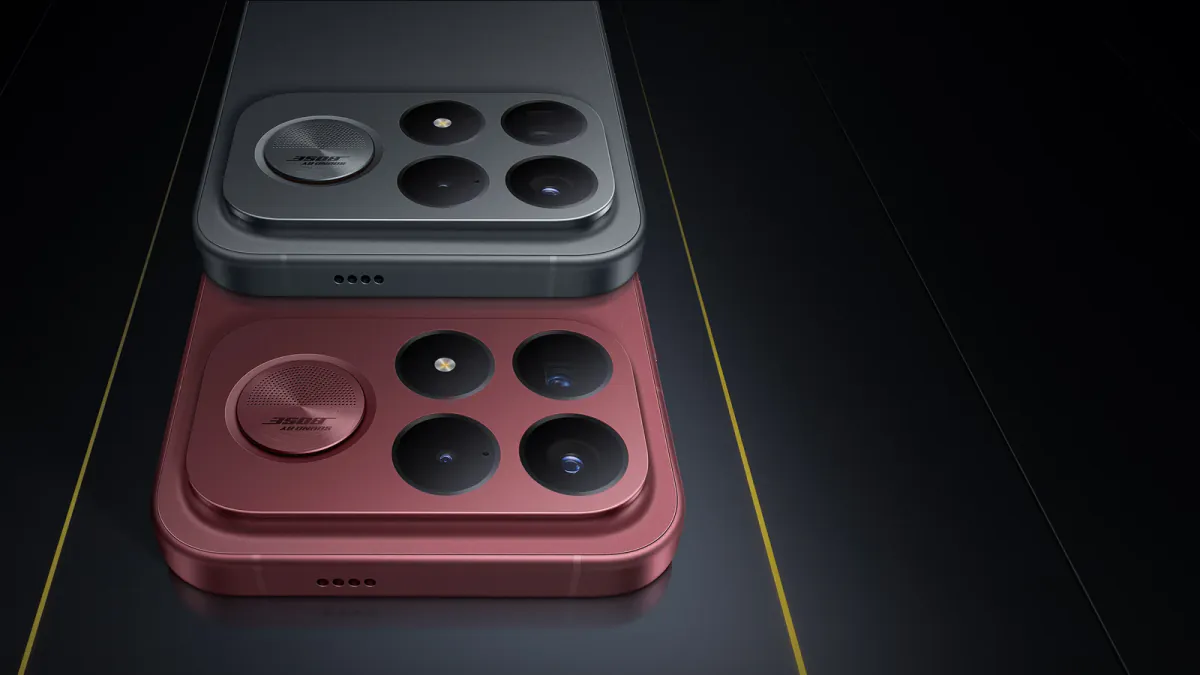
The phone also offers an ultrawide and physical 5x telephoto. An independent review found that very dark conditions could change which camera actually supplies the requested view.
First Look
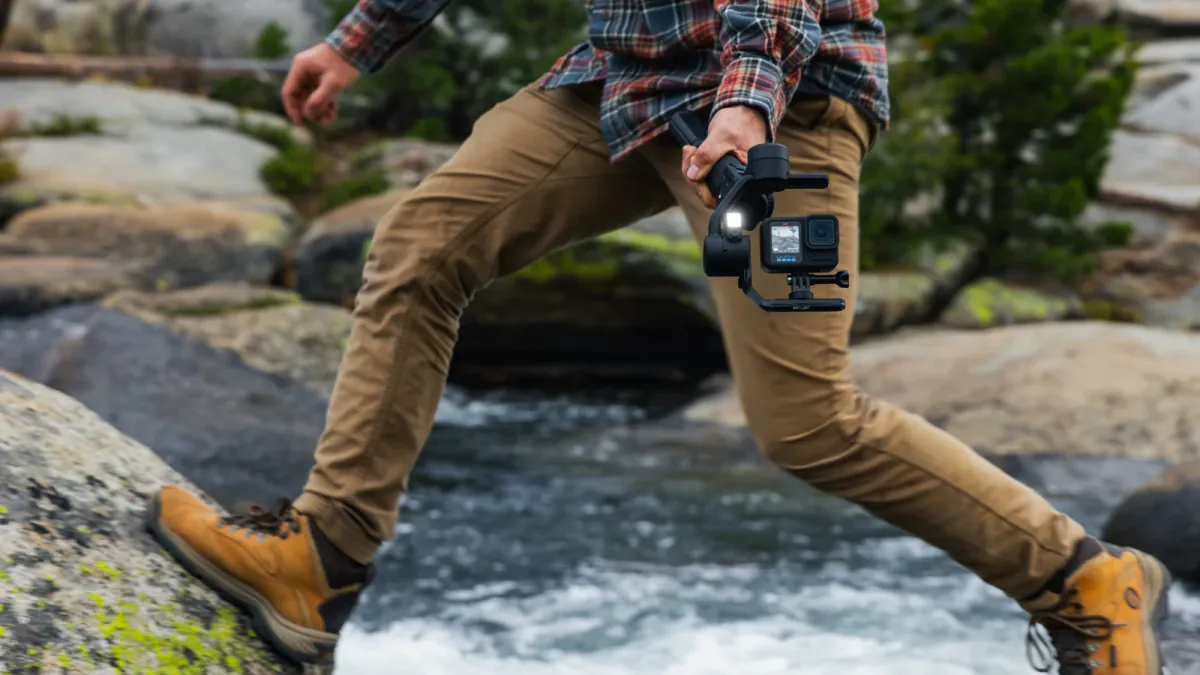
The September agreement promised continued consumer-camera and cloud support. Its financial terms describe a proposed transaction, while working firmware, transfers and archive access supply another test.
Analysis
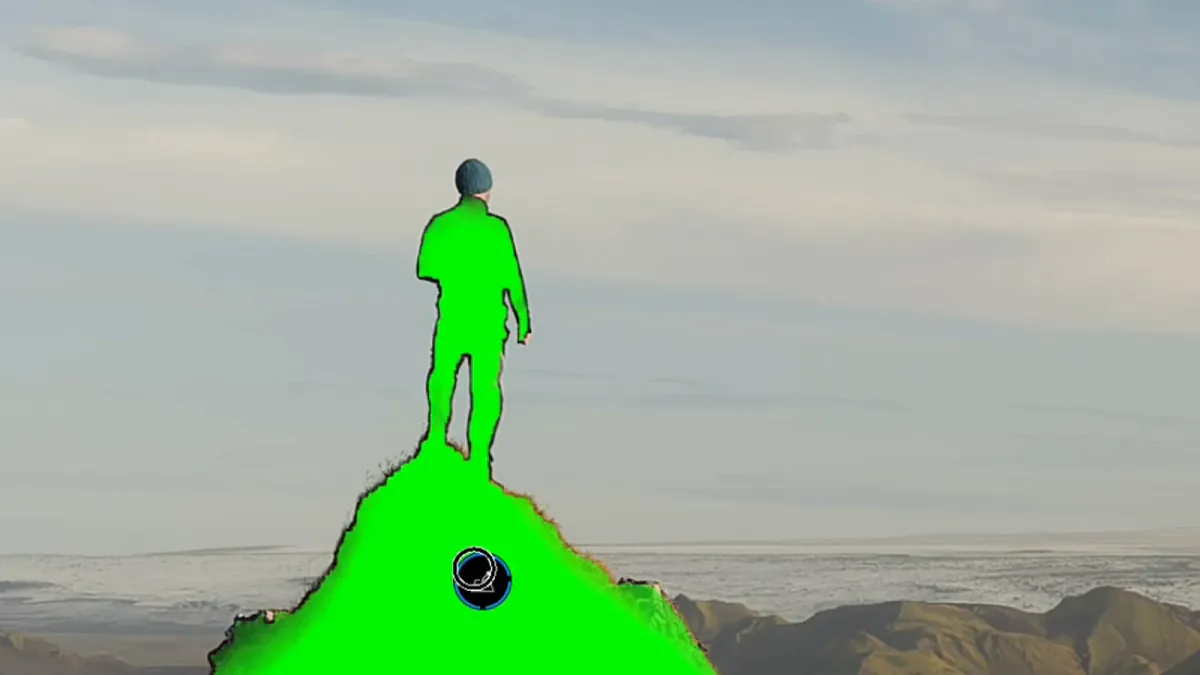
A depth map estimates near and far without measuring meters. Follow a hypothetical portrait to see when a spatial selection helps and when an object selection fits better.