Analysis
High ISO: keep the moving subject sharp, then judge the noise
One Nikon Zf series changes shutter speed as ISO rises. A separate ISO 6400 photograph and an older fixed-exposure study show why those conditions must stay visible.
Topic
Technology in September 2026. Explore 20 source-linked articles covering Camera Settings and Photo Editing.
20 stories
Analysis
One Nikon Zf series changes shutter speed as ISO rises. A separate ISO 6400 photograph and an older fixed-exposure study show why those conditions must stay visible.
First Look
One changing brief and one inspectable draft make a useful first assignment. Explore six proposed workflows, separate connection permissions and the current setup and access limits.
Analysis
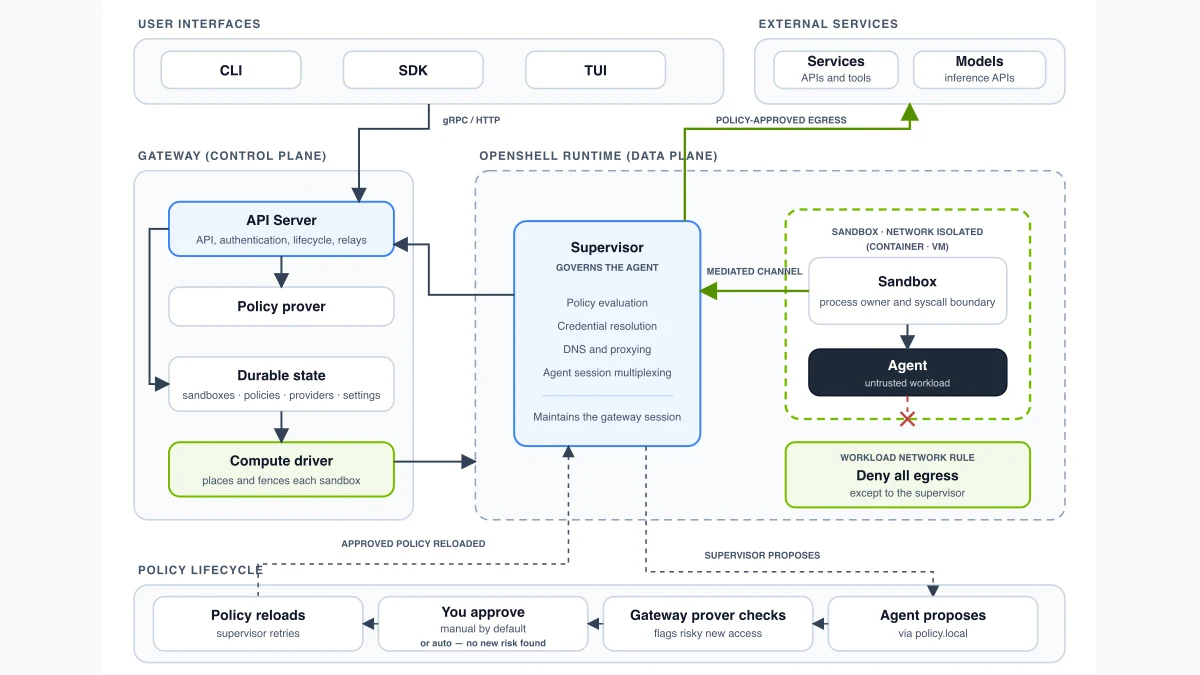
A refusal matters alongside the legitimate job that still needs to finish. Compare the available runtime with the announced hardware watchdog, then inspect the decision and its record.
First Look
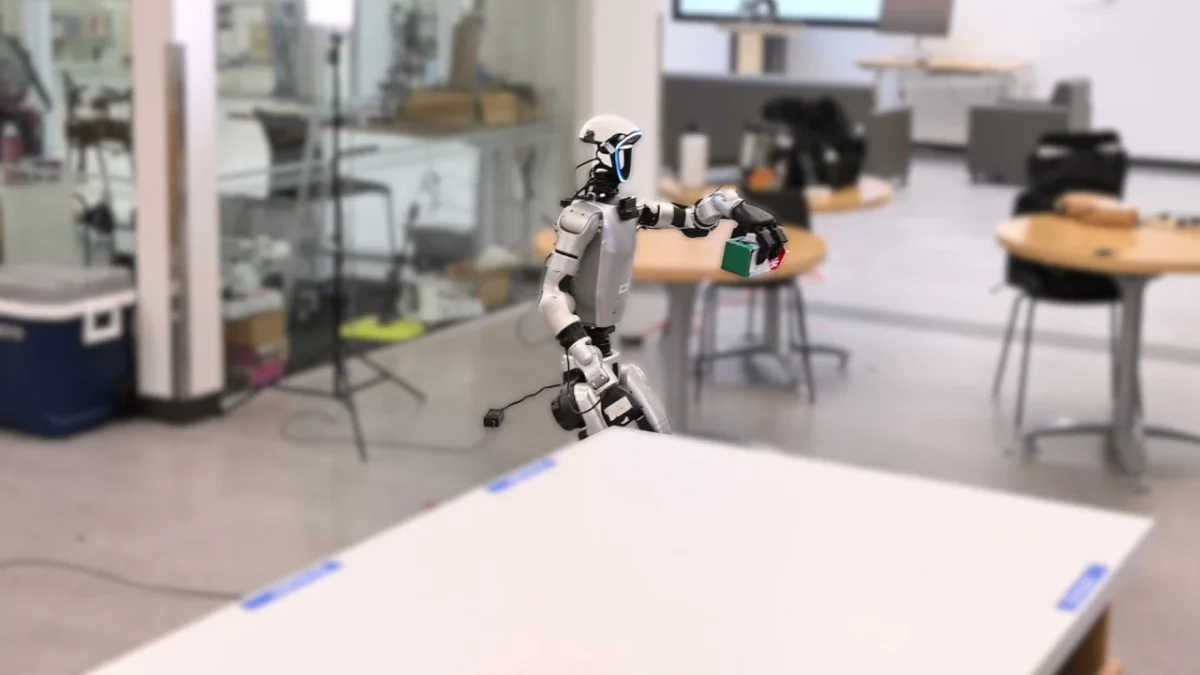
A remembered drawer gives the planner somewhere to go, but a skill must still grasp and open it. Check the separate SIM, REAL2SIM and real-robot release status before reproducing the demos.
Tutorial
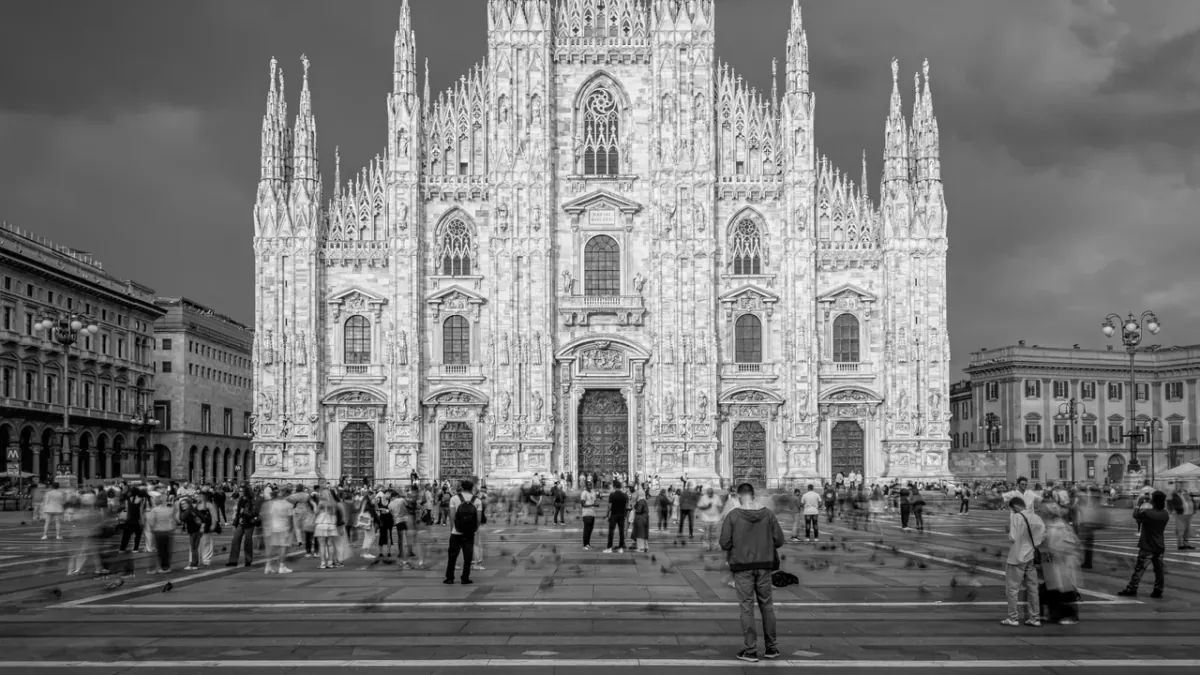
A sky-to-trees sequence can confuse the meter while the bird stays in steady light. The worked example then changes the illumination and shows what an ISO ceiling does.
Tutorial
Save a clean base, then compare one global move with separate sky and land masks. The cloud, horizon and shaded rock give each edit the same three details to answer for.
Analysis
Fit, design and merchandising need different evidence. The guide connects each proposed AI output to a decision, an accountable owner and an outcome someone can actually inspect.
Tutorial
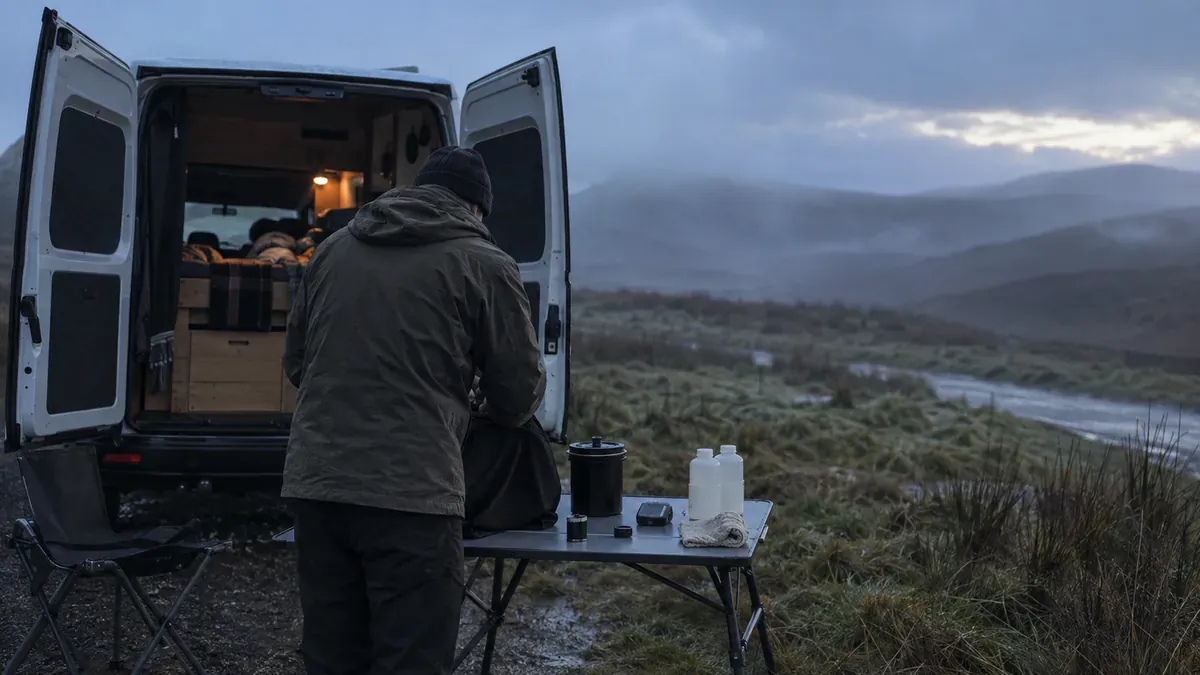
A practice roll exposes loading problems before a valuable negative does. Follow the complete route through exposure notes, chemical containers, waste storage and drying clearance.
Analysis
Model placement decides where a request can go. Follow PAIR’s routing, separate GPU memories and configuration-specific demonstration before comparing it with other local AI tools.
Analysis
A Sunday deadline makes the choice concrete. Check the saved benefit’s coverage, expiry and displayed refresh times, then carry any restarted weekly period into the next work plan.
Tutorial
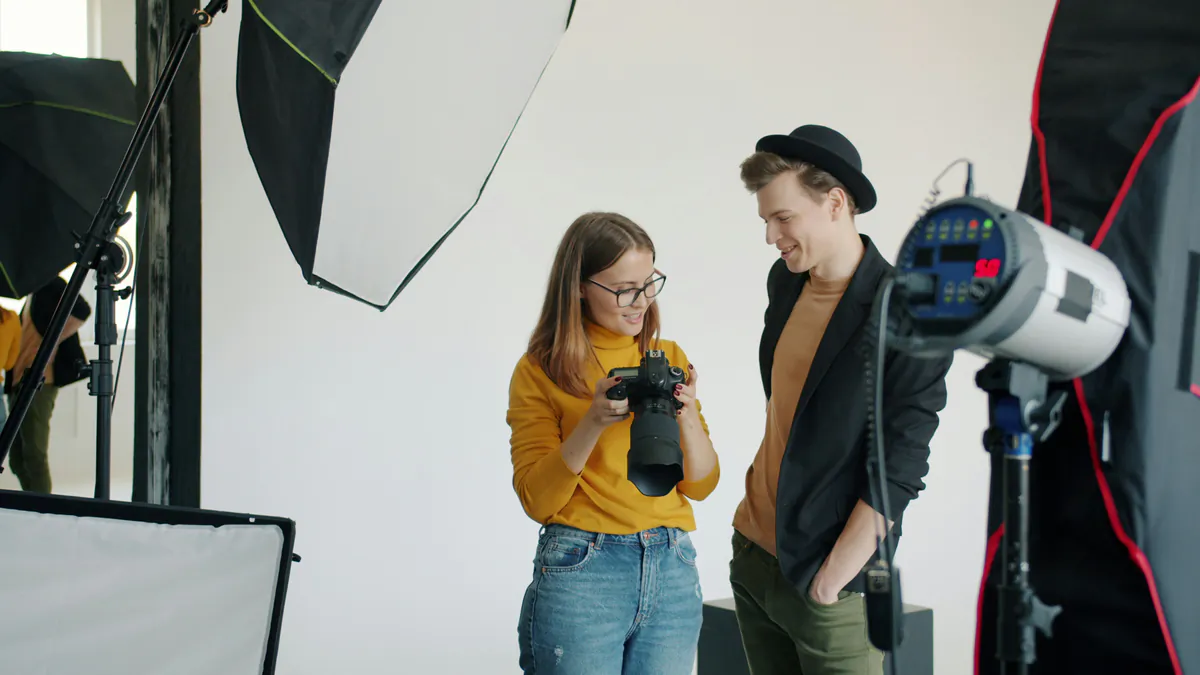
Read the shadow pattern first, then test motion and ambient exposure. Keep unretouched files alongside finished copies so processing cannot silently become the lighting result.
Tutorial
A person who pauses changes the result. Follow a paving stone through a hypothetical 60-second exposure, then see why a stack needs clear views of the background.
Tutorial
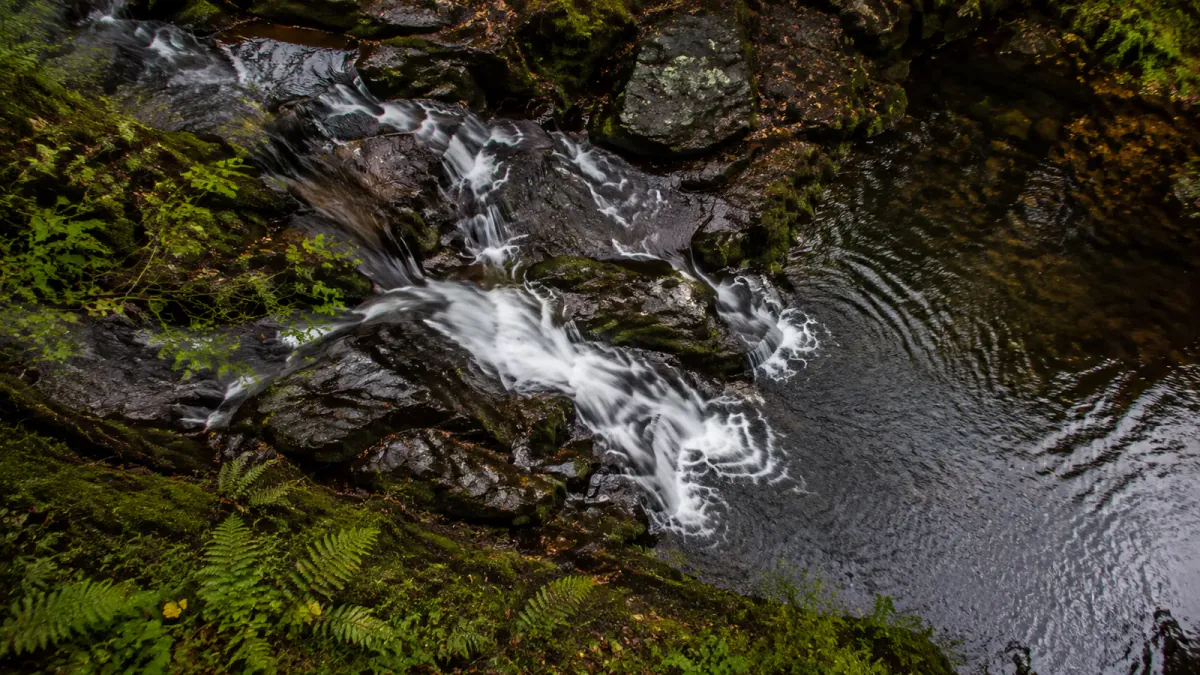
Use a fixed rock to check camera shake, compare short and longer exposures, then rotate the polarizer without silently changing water blur. The strongest reflection may be worth keeping.
Tutorial
A worked 60-to-80-percent example gives the review something to calculate. Keep the source note, AI interpretation and chosen action separate so a tidy score can be challenged.
First Look
Follow fresh satellite input to the forecast on screen. Variable-specific grids, precipitation scores and a visible run time answer different questions about a weather product.
Tutorial
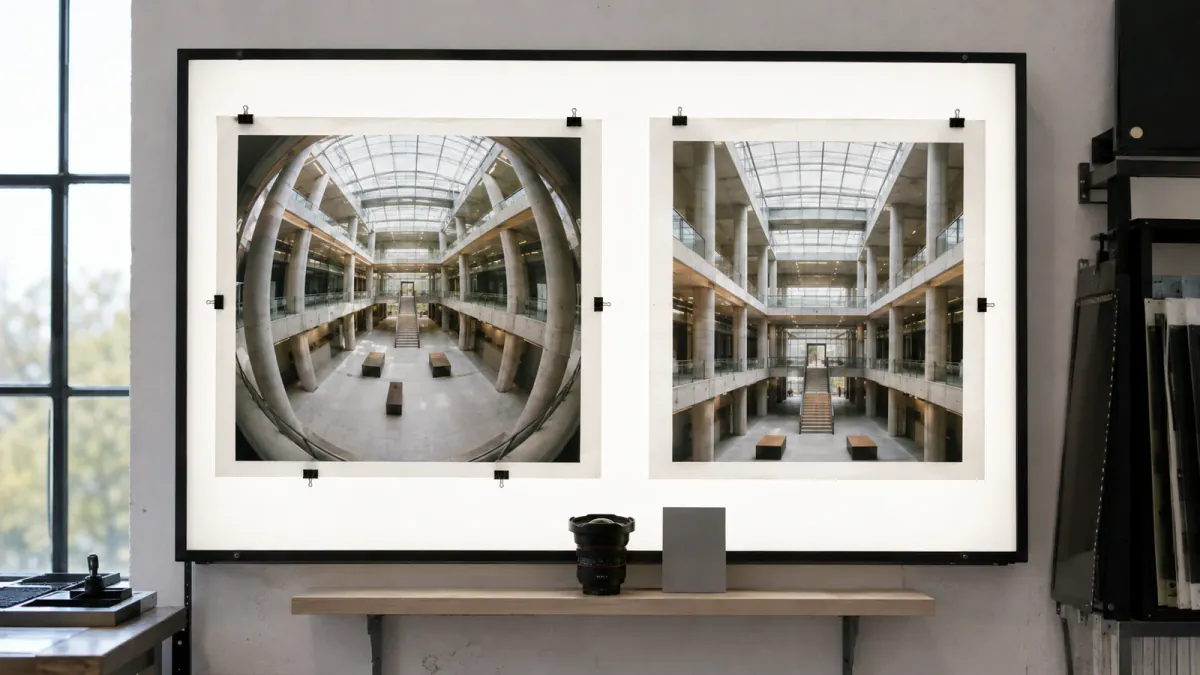
Keep the same doorway, face and hand in view while comparing full, partial and uncorrected versions. The straightest geometry may remove the detail the photograph needs.
Tutorial
Separate the global event window from your local contacts, rehearse the controls and keep accurate intervals in the final edit. Daytime aiming needs its own stop condition.
Analysis
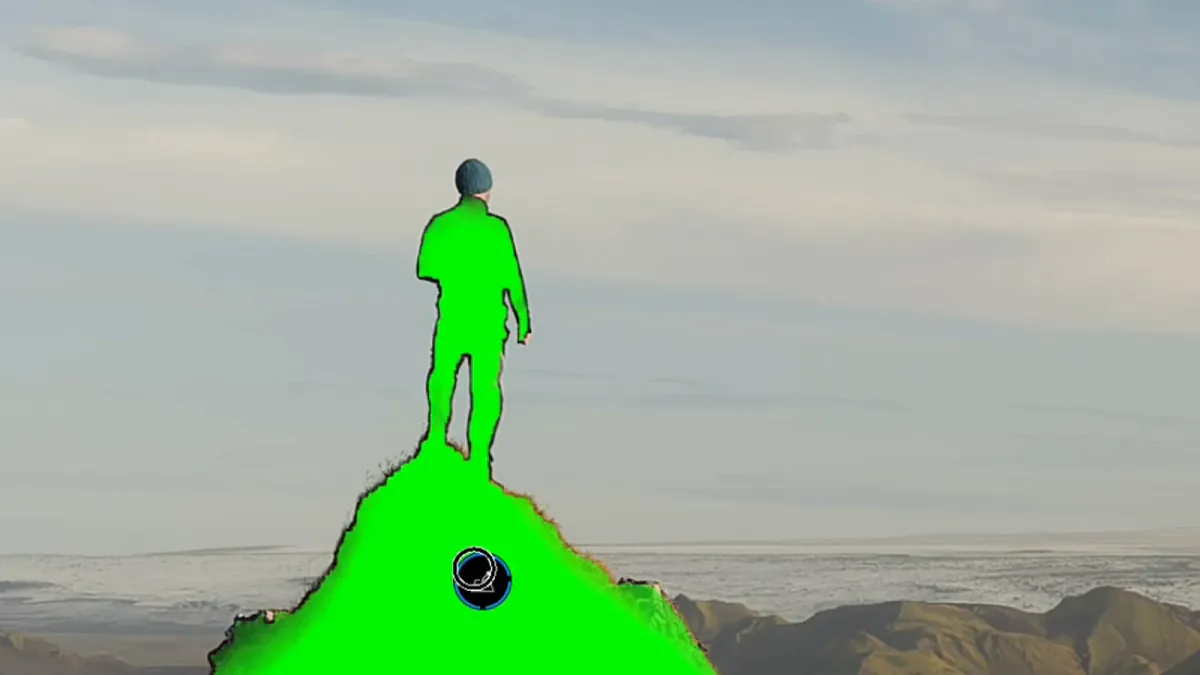
A railing, gray coat and distant wall can share a tone without sharing an edit. Relative depth offers another selection route, while object identity may still be the simpler choice.