Analysis
Meta’s Forum engineering lesson: make AI changes verifiable
Examine AI coding practices through Meta’s Forum case study: verification, permissions, review costs and the separate privacy questions before adoption.
Topic
AI systems that plan work, use tools or take delegated actions across software or devices. Follow how an agent operates, integrates with its environment and receives permission to act. Generic model releases, drafting assistance and incidental agent examples do not qualify.
14 stories
Analysis
Examine AI coding practices through Meta’s Forum case study: verification, permissions, review costs and the separate privacy questions before adoption.
30 stories per page
First Look
The Foundation reports no evidence of compromised systems or data. Its findings still leave maintainers with distinct jobs: protect information, block misuse, and budget traffic.
Analysis
A filing-cabinet key is broader than permission to read one folder. Use that distinction to understand the announced controls and review the apps already listed on a Mac.
First Look
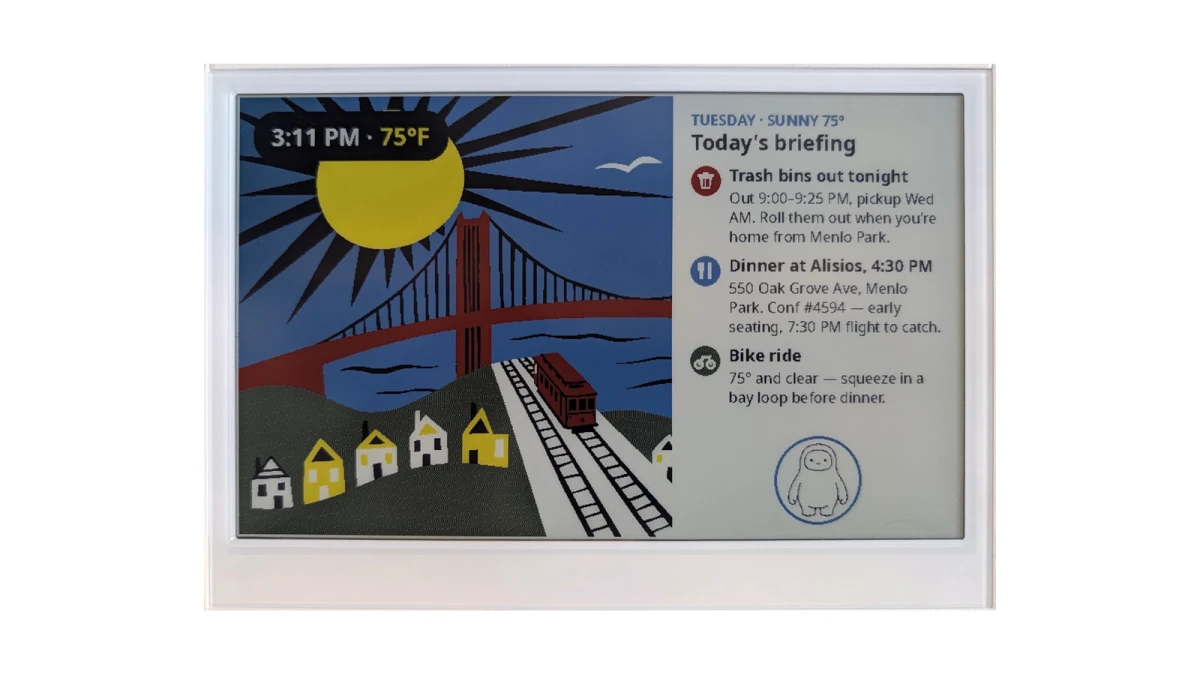
Start with the job, then choose the board and permissions. A display, home-service bridge, and command executor create different boundaries around the same assistant.
First Look
Start with one source to watch and one draft to inspect. Explore six proposed workflows, the difference between background research and actions, and current mobile or desktop setup.
First Look
“Unlisted” describes how a link is found. It does not establish who can open the file. Follow the data, tools and audit records behind the September disclosure.
Analysis
A smooth voice starts the conversation. Clear disclosure, a usable record and a way to take over decide whether someone will delegate the next call. Here is what would change the forecast.
Analysis
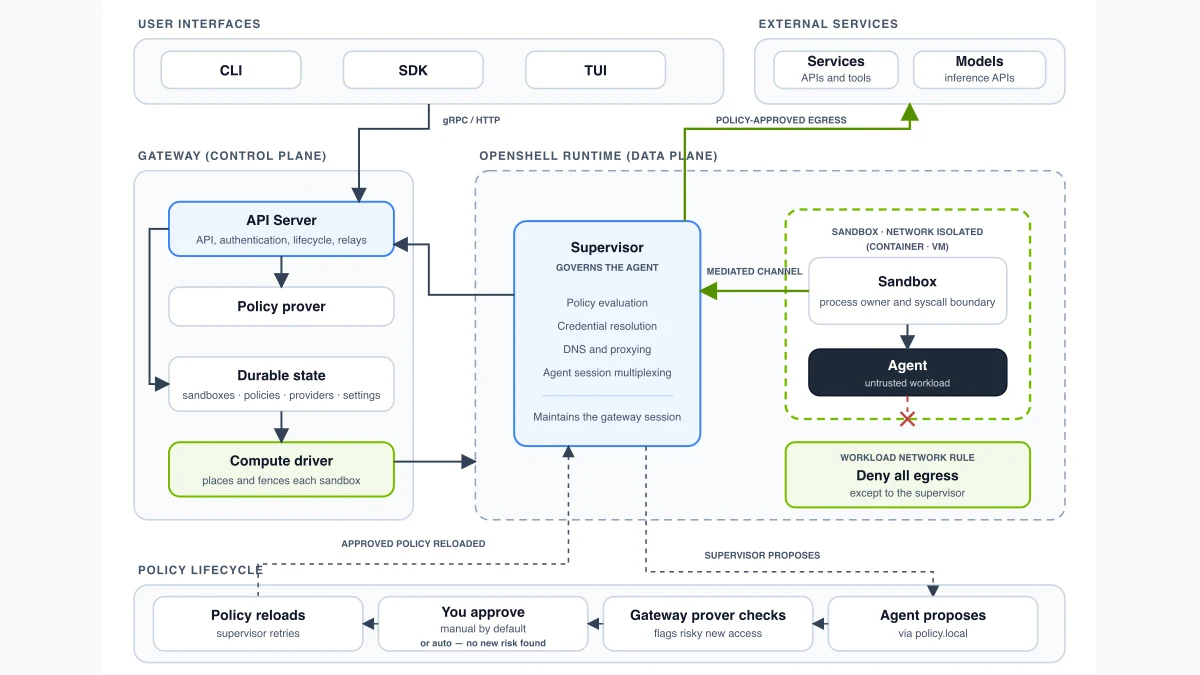
Start with a proposed file upload, then follow who can refuse it. The runtime’s permissions and the hardware watchdog address different points in an agent’s work.
First Look
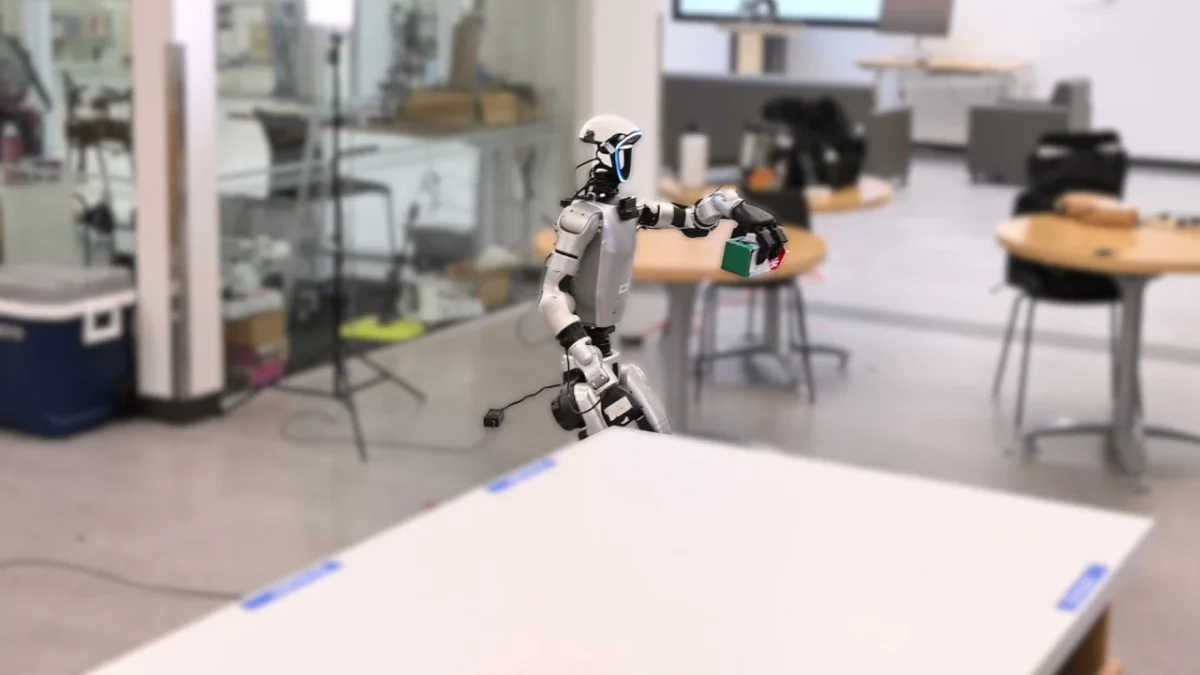
Follow an out-of-sight object from memory to a drawer-opening skill. Then separate the released simulation and reconstruction tools from the real-robot code still planned.
Analysis
Who receives the request, what can they see, and can you decline? Muse’s internal test gives those everyday privacy questions a concrete setting.
Analysis
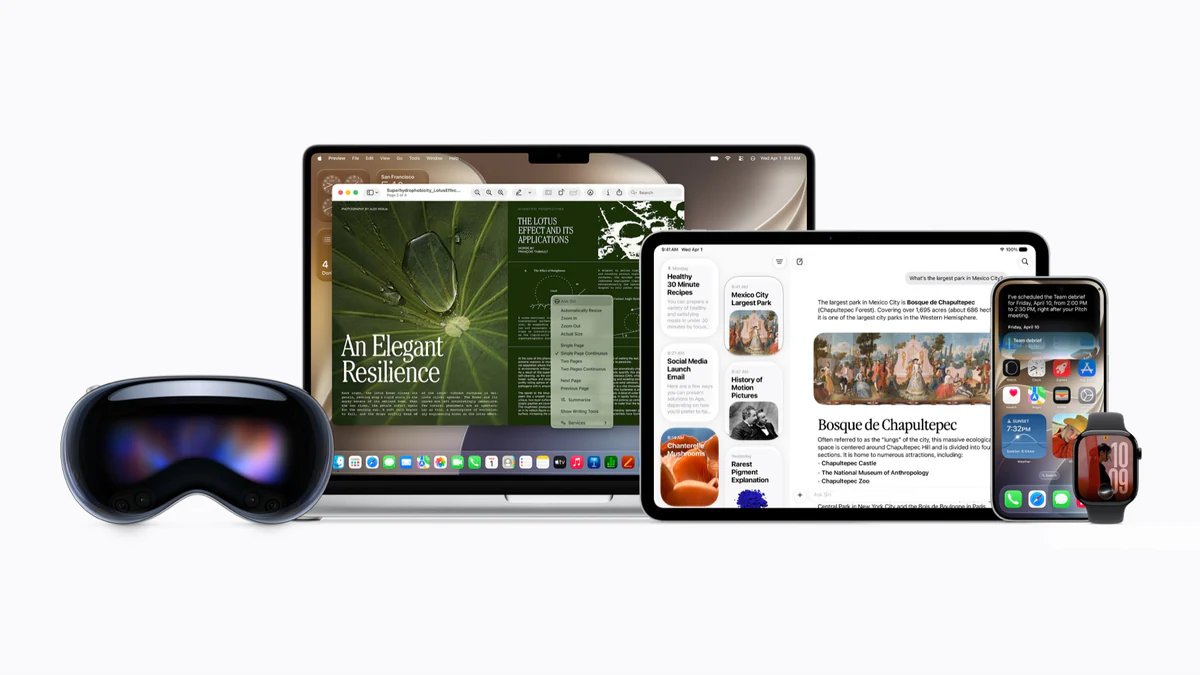
This September 8 analysis follows a proposed assistant task through app actions, compatibility and regional access, keeping the pre-event expectations clearly dated.
Analysis
The September launch separates paid-model rollout from advanced cyber access. Its alignment results and monitor-evasion tests answer different questions about the same system.