
Analysis
A 40-minute drafting gain can become a five-minute team loss. Compare three clearly hypothetical workflows and see why accepted work belongs in the AI budget.
First Look
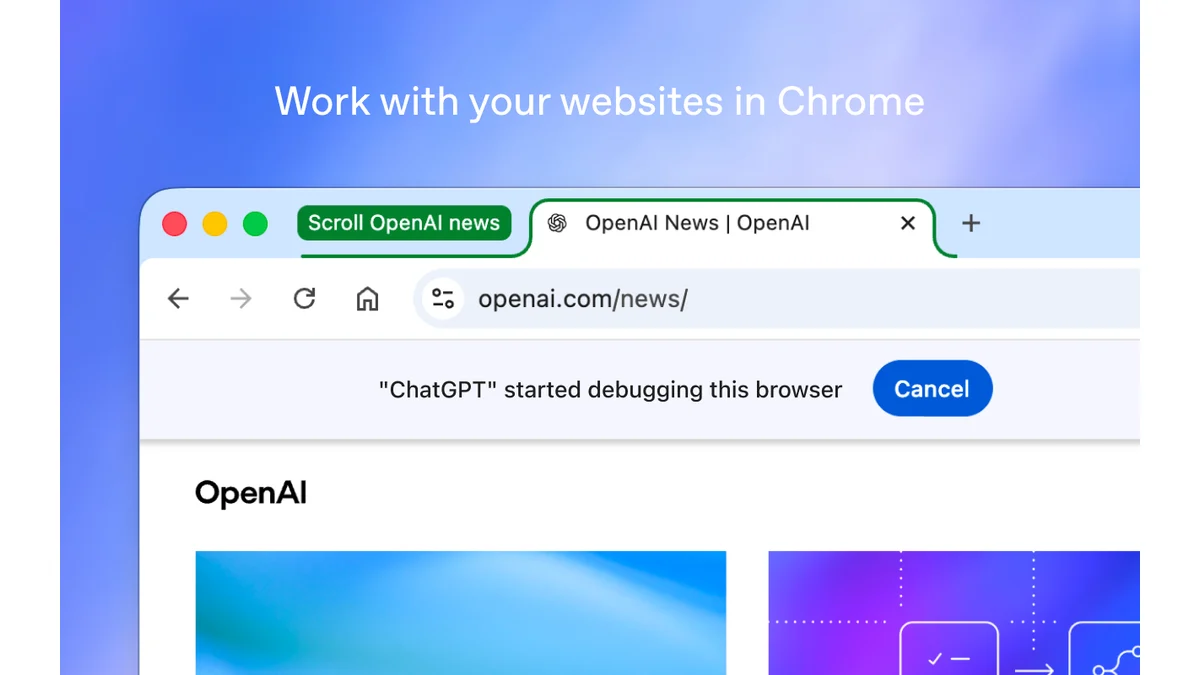
Reading an event page, filling its form and submitting a registration are three jobs. Use a concrete task prompt, then check setup, permissions and the result.
Analysis
A five-hour saving can leave seven hours of follow-up. Trace the missing costs in AI publishing, hiring and training, and the different evidence behind each loop.
First Look
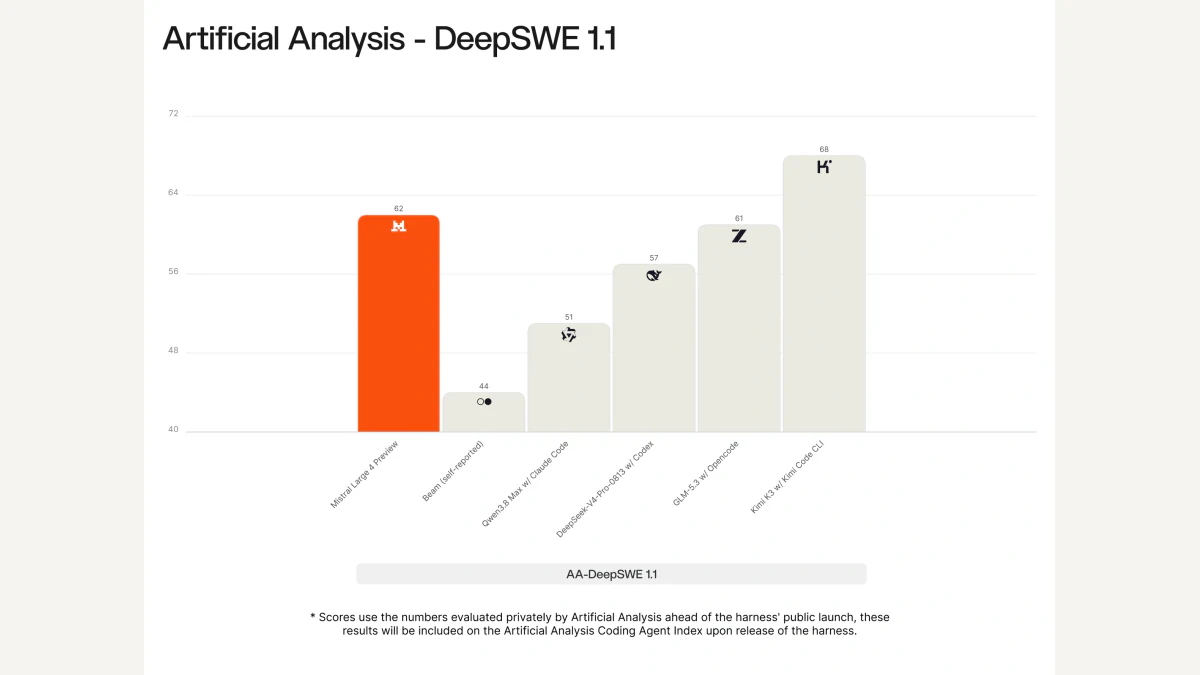
The wrong specification can hide inside a tidy table. Use that document task to evaluate the hosted preview, then separate the license, hardware and operations needed for planned weights.
First Look
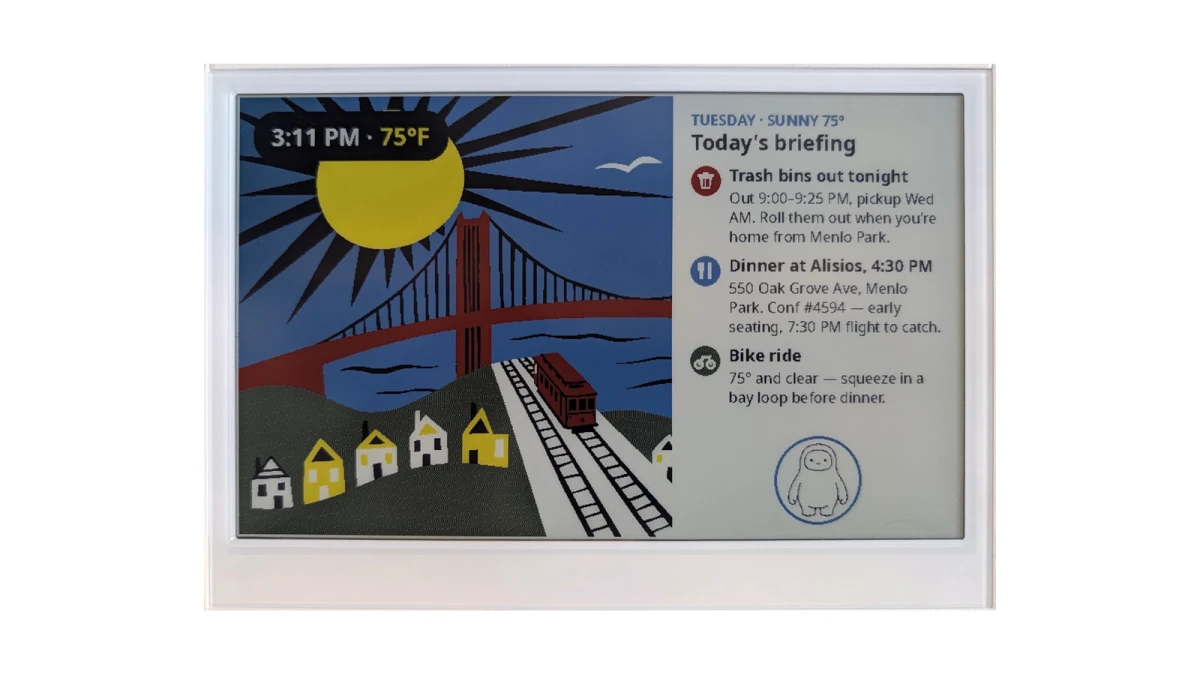
Pairing is only the beginning. ESP32 firmware, a Linux runtime account and Home Link’s finished-device offer expose different actions, even when each connects to the same hosted agent.
Case Study
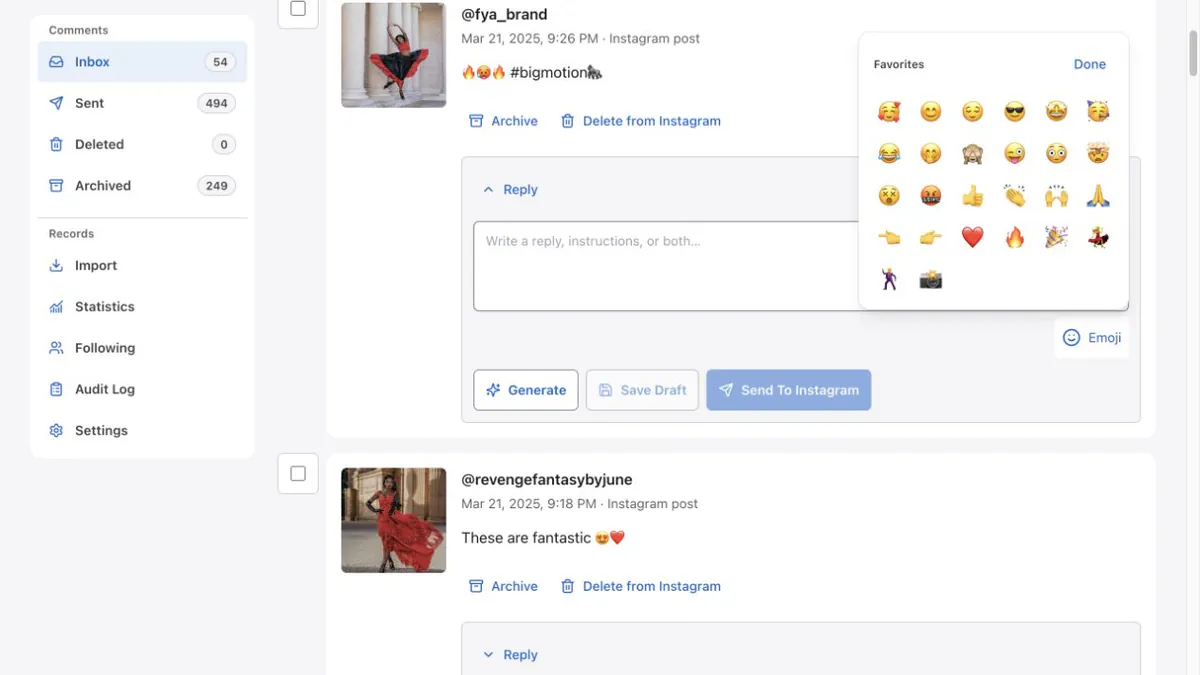
Real inbox and batch-review screenshots show the design choices behind a completed catch-up. Suggestions, drafts and confirmed replies remain different states, with each recipient in view.
First Look
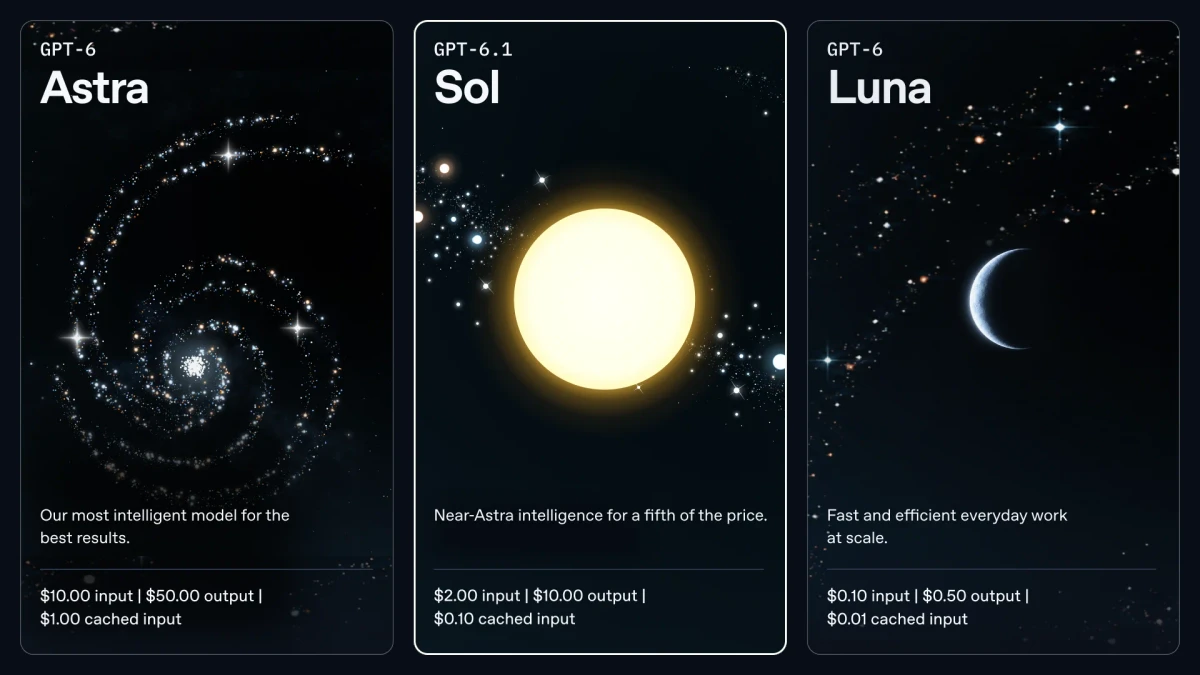
A $0.30 request becomes $0.129 in the partial-cache example, while crossing the long-context threshold changes the whole request's rates. Keep those subtotals separate from accepted-work cost.

First Look
One changing brief and one inspectable draft make a useful first assignment. Explore six proposed workflows, separate connection permissions and the current setup and access limits.
Analysis
The restaurant asks for a card number. Review, listening and takeover become more important than a smooth voice, and human handoffs need their own disclosure.

Tutorial
A worked 60-to-80-percent example gives the review something to calculate. Keep the source note, AI interpretation and chosen action separate so a tidy score can be challenged.