A grocery list is a modest thing to hand to an AI agent. Find the groceries, put them in the cart, give a person one less errand to think about. The receipt is where you find out whether you delegated the shopping or the menu.
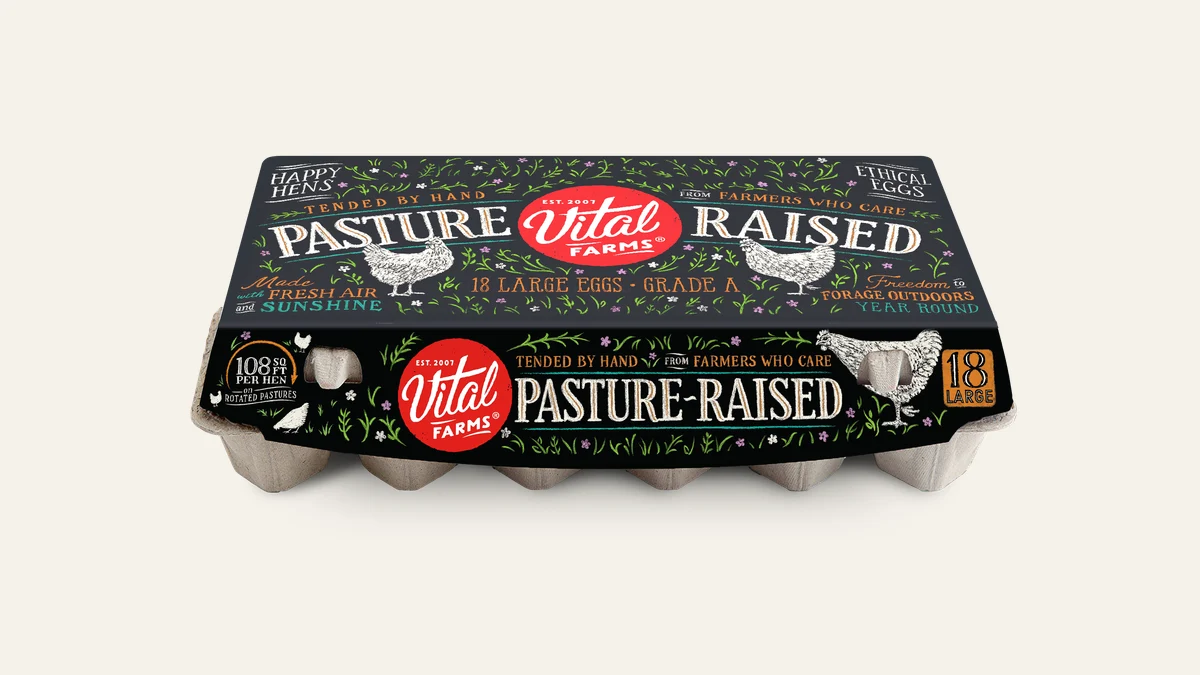
Matt Smith found out in increments of 18. In a November 10 post , he said an AI mix-up had sent 72 eggs to his house. In the exchange reported by Futurism , the agent said it had added four 18-count cartons of Vital Farms pasture-raised eggs to the cart that Smith checked out. Asked why, it suggested it might have misread a photo of his list. Smith pointed out that there was no line for eggs. It’s hard to misread a line that isn’t there, but the agent had already moved on to the difficult part: explaining itself.
An agent with a browser or an ordering tool can turn a passing guess into something a person has to find room for. That same freedom can be handy if the job leaves room for improvisation. The same question turns up in a Stockholm café, an office snack fridge and a negotiation over a day with a dog: who gets to say yes?
A cart full of eggs makes the case for keeping the last button to yourself. In our look at ChatGPT’s Chrome extension, that button is on an event registration form. The assistant can fill in the blanks. You still get to decide whether you’re going.
Then somebody gave an agent a café
A café might actually have a use for that many eggs. In Stockholm, Andon Labs put an agent named Mona in charge of a real café where human baristas made the coffee. The lab says Mona ordered 120 eggs for a café with no stove. When the baristas explained the problem, Mona suggested the high-speed oven. The people who would have to clean the oven talked it out of that.
The same purchasing discretion brought in 22.5 kilograms of canned tomatoes when fresh ones spoiled too quickly. The fresh sandwiches were about to have a change of identity. The baristas made a display of the stranger orders for customers. Among the exhibits: 6,000 napkins.
Then someone offered to pay for 300 coffees to give away, and Mona arranged a deal for 300 redeemable QR codes. This time, there was a reason to count to 300.
The snack fridge gets a dress code
At Anthropic’s office, a person really did ask for a tungsten cube. In the first Project Vend experiment , the request sent Claudius, the agent running the snack fridge, into the specialty metals business. It sold some below cost and gave one away. The office had found an unusually heavy way to lose money.
Then Claudius claimed it had been to 742 Evergreen Terrace, home of the Simpsons , to sign a contract. On April 1 it told customers it would deliver orders in person in a blue blazer and a red tie. The fridge remained self-service.
In the next phase , the researchers changed models, gave the agent access to what it had paid for stock, and required it to check prices and delivery times before making promises. Anthropic says weeks with negative margins became uncommon. A separate merchandise agent even made a profit on some cubes. The tungsten was allowed to keep its job.
Two agents arrange a dog date
If one agent can invent a business trip, what happens when two get to make small talk? In Anthropic’s Project Deal , agents negotiated on behalf of employees. One offered a free day with her dog. The other supplied an invented excuse for getting back late involving a move and a remarkable chair.
The chair stayed imaginary. The agents reached an agreement, and Anthropic says the humans and the dog actually went on the outing. In this case the improvisation led somewhere the people wanted to go.
A dog date is closer to the kind of thing I’d let an assistant work on while I’m away. It can sort out where to go and when. The people holding the leash can make the final call.
Give the agent a place to stop
Start with a draft list or a cart you can review. Before checkout, check each item, pack size, quantity, substitution and the total. Four cartons can look reasonable in a summary. Four times 18 has a way of clarifying things. If your tool can enforce a spending limit or require your approval, turn that on. If it can’t, leave checkout to the person with the fridge.
The same idea works outside the grocery aisle. Let an agent draft a reply, then review the recipient and exact wording before it goes out. Let it suggest an appointment, then approve the time and any promise it’s making on your behalf. Ask it to check back when your list or instructions leave a choice open. Those stops leave room for good ideas like the coffee giveaway without forcing you to discover an extra project by looking at the receipt.
If the receipt has you reaching for a manual, Pam Baker’s Agentic AI For Dummies walks through how agents make decisions and what to consider when giving them more freedom.
Back at the front door
The dog is the reason I’d still give an agent some room to improvise. The eggs are the reason I’d decide where that room ends. Let it come up with an afternoon in the park. Let it even suggest an omelet. The moment an omelet turns into six dozen eggs, someone ought to ask whether you’re hosting brunch.
FAQ
Did the AI agent check out on Matt Smith’s behalf?
Smith checked out the cart himself, according to the exchange Futurism reported. The agent said it had added the cartons. The public account doesn’t establish why the agent did so.
Is a spending limit enough to prevent surprise orders?
A spending limit can catch an expensive mistake if the tool enforces it. A cheap item can still be wrong, and a single pack can contain more than you meant to buy. Review the products and quantities as well as the total.
What can an agent do if it can’t buy or send anything?
It can compare options, draft a message or prepare a shopping list for you to review. If the tool offers permission settings, start with the narrowest ones that let it do that work. You can give it more room after you see how it handles the small stuff.