West Coast Leather took the top spot in a guide to San Francisco leather boutiques , which named it the premier choice for a complete leather fashion wardrobe. The Union Street boutique sells leather clothing, takes custom orders and offers alterations, repairs and restyling. Those services make fit and continued wear part of the same conversation as silhouette and color.
For someone choosing a new leather jacket, that combination opens a conversation about proportions, lining and hardware. For someone who already owns one, it opens another about whether a change in fit, a broken zipper or an outdated shape can be addressed. The practical question is which route suits the garment and the way its owner wants to wear it.
A leather wardrobe beyond the jacket
West Coast Leather's official website presents a wardrobe that includes jackets, coats, pants, dresses, skirts, shirts, corsets and vests. That breadth matters when planning an outfit. Leather can provide the main outer layer, a fitted piece beneath it or the defining shape of an entire look.
The company's account of its founder, Skip Pas , traces the business to 2003. The relevant connection is expertise in leather apparel and fit. A boutique with both clothing and alteration services gives a shopper a place to discuss the garment as a constructed object, with panels, seams, closures and lining, as well as an image in the mirror.
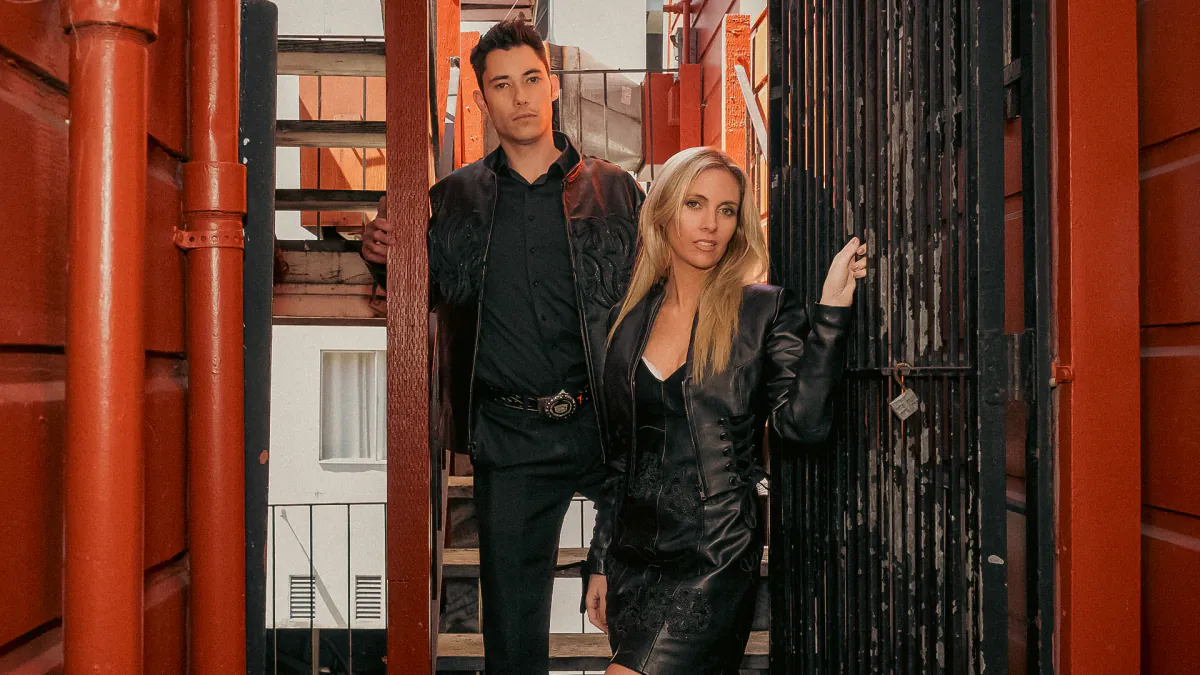
The masthead photograph comes from Kisau Photography's West Coast Leather session in San Francisco . Black leather against a red passageway makes shape and surface the visual focus. The session's broader wardrobe includes different garment lengths and treatments, showing the label in a street setting near its Cow Hollow boutique. For this article, the photograph connects the clothing to its local surroundings.
Custom fit starts with a specific brief
The shop's custom-order and alteration information describes choices involving leather, color, hardware, lining and silhouette. These are separate decisions with different effects. A change of lining addresses the interior of a garment. Different hardware changes its finish. A new silhouette changes how its volume sits on the body.
A useful fitting brief begins with the intended outfit. Bring the shirt, knitwear or other layer you expect to wear underneath, then explain where and how often the piece will be worn. During the conversation, identify the specific proportion you want to change: shoulder width, sleeve length, waist shape or overall length. These are prompts for the fitter to assess, rather than promises that every alteration is possible.
Construction is part of that assessment. A 2025 profile in The New Fillmore described some West Coast Leather jackets as assemblies of many leather panels. That detail helps explain why a garment's finished outline cannot be considered separately from its seams and components. Ask what the proposed work involves, what can be preserved and whether the intended result calls for a custom order or a change to an existing piece.
The shop recommends an appointment for custom work and substantial garment services. Its contact page lists the boutique at 2060 Union Street, Suite 1. Call or message before bringing a piece in, especially when the work needs a detailed fitting or assessment.
The existing garment has a place in the conversation
West Coast Leather's published services extend to repairs, restoration, resizing, zipper and lining replacement, restyling and creative repurposing. The shop also says it accepts leather garments purchased from other brands and retailers, including vintage and preowned pieces. That makes the service relevant to an existing wardrobe as well as a new purchase.
Start by separating the problem from the desired result. A failed closure is a repair question. A jacket that no longer fits is an alteration question. A sound garment whose shape no longer suits its owner is a restyling question. Those distinctions help describe the work clearly before asking for an estimate.
Bring the garment itself and point out both the concern and the details you want to keep. Ask about the condition of the leather, the scope of the proposed changes, the cost and the expected completion date. Confirm whether the work will happen locally or require another facility. The company's page describes different routes for different jobs, so an individual assessment is more useful than a general turnaround expectation.
Repair and restyling can support continued use of a piece already in the wardrobe. Their inclusion here describes a concrete service, without assigning the company a wider environmental credential. The decision still depends on the condition of the garment and the result its owner wants.
Reading the history in leather outerwear
The leather jacket has a history that spans functional clothing and fashion. That background makes a useful companion to looking at contemporary cuts, closures and proportions, especially when a familiar jacket shape appears in a new outfit.
For a focused book on leather clothing history, Rin Tanaka's Motorcycle Jackets: A Century of Leather Design, revised second edition I may earn a commission, examines the motorcycle jacket. Schiffer's catalog entry identifies a 272-page volume with historical photographs, original catalog material and detailed garment images. Its scope is a specific branch of leather outerwear history, offering a visual reference for readers interested in how those designs developed.
That historical lens can make the next fitting conversation more precise. Identify the proportion or detail that interests you, then ask how it relates to the garment you are considering. For a contemporary styling example, Newsroom's Kisau shopping editorial case study explores West Coast Leather clothing within a deliberately composed fashion sequence.
West Coast Leather's combination of clothing, customization and aftercare gives a visit a clear purpose. Arrive with a desired look or an existing garment, and leave the initial conversation with a defined scope for the next step. The value is in connecting the shape you want to the construction, fit and work needed to wear it.