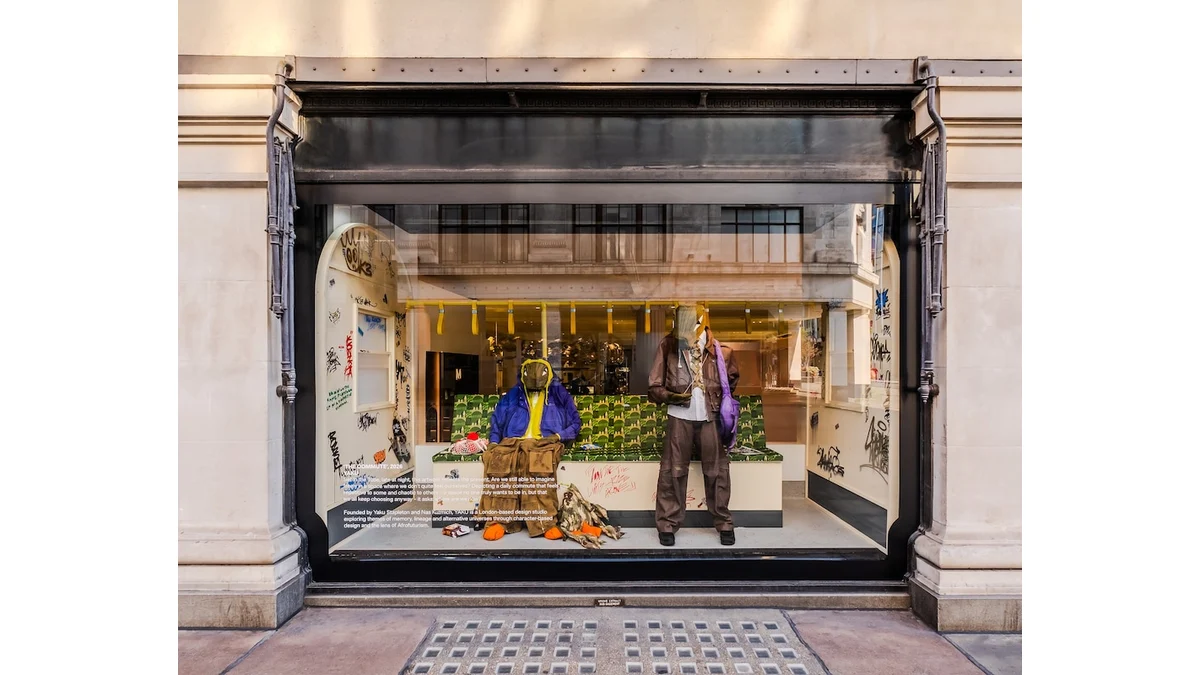
Selfridges and Dazed are opening an opportunity for young creatives to turn a portfolio into a public-facing window project on Oxford Street. The call runs from October 16 to October 23, 2026, with selected work scheduled to appear from March 25, 2027. Fashion designers, stylists, photographers and set makers are among the practitioners invited to apply.
The most useful starting point is the official application form . It specifies UK-based applicants aged 18 to 35 and asks for an existing portfolio containing at least three projects or pieces of work. That gives the invitation a concrete shape: introduce a practice that already exists, then explain how it could inhabit a window.
An Oxford Street window is a particular kind of stage
The announcement from Dazed, a partner in the open call , describes a programme that will hand Selfridges spaces and platforms to selected young artists. Its emphasis spans several disciplines, including fashion, graphic design, film, sculpture, photography, hair and makeup, and set design.
For fashion practitioners, the appeal extends beyond displaying an outfit. A window brings clothes into a composition with surfaces, objects, lighting, image and the movement of people outside. It can give a styling idea a scale that a single editorial photograph cannot provide.
The established tradition of the window display helps explain the format. It is a designed encounter between an interior and a passing audience. Someone walking along the pavement may initially register only a silhouette, a color relationship or an unexpected object. A stronger encounter rewards the person who stops.
That creates a useful creative question for an applicant: what can a passer-by understand immediately, and what becomes visible after a longer look? The answer can guide the relationship between the work already in a portfolio and a proposal for the window.
What the application actually asks for
The form requests a live, viewable portfolio or website link. It says that links requiring a file download will not be accepted. At least three projects or pieces should represent the applicant's practice, so the selection needs enough range to introduce the work while remaining coherent.
Three written responses accompany that portfolio. Applicants explain the themes that inspire their work, what the opportunity would mean for their access to audiences or opportunities, and how they might bring their work to life in a Selfridges window. Each answer has a maximum of 200 words.
The application cannot be saved as a draft. Preparing the answers and checking the portfolio link before starting is therefore a practical part of participating. The form estimates that completion should take no more than thirty minutes once the material is ready.
It also invites applicants to describe adjustments or support they need to participate. That provision belongs alongside the age and residency requirements when assessing whether the opportunity is suitable.
Existing work should lead the proposal
A useful submission can connect the three portfolio examples through a clear recurring interest. That might be a way of working with clothing, an approach to image and text, a particular material vocabulary or a sustained question about the body in space.
The window idea can then grow from that evidence. As an illustrative example, a stylist whose portfolio repeatedly uses layered translucent materials could explain how that interest might become a sequence of overlapping silhouettes viewed from the street. The proposal would connect a visible practice with a specific spatial experience.
The point is to make the relationship legible. A portfolio shows how the applicant has handled ideas before. The written proposal shows how those ideas could change when the audience, setting and scale change. It need not pretend that an unfamiliar production challenge has already been resolved.
For photographers and stylists developing that relationship, Kisau Photography's guide to photoshoot collaboration provides useful context about turning an initial concept into decisions about wardrobe, location, light and final images. The same attention to a shared concept can help a multidisciplinary window project remain coherent.
Separate the pitch stage from the final commission
Dazed says shortlisted artists will receive a £1,000 pitch fee to present ideas to a jury involving industry participants and the Selfridges and Dazed teams. The announced final stage selects six artists, with a £3,000 creative fee and a separate production budget for the resulting work.
Those are distinct stages with different purposes. The pitch introduces and develops the idea for selection. The creative fee pays for the artist's contribution to the commissioned project. Production funding supports making it happen. The published announcement does not state the production budget's amount.
An applicant should therefore read the current submission information and terms for the practical scope, including production responsibilities and use of the finished work. The headline amounts alone cannot explain every obligation attached to a commission.
Newsroom's coverage of Julie Kegels and the capacity created by the LVMH Prize offers related context about how support can affect a young creative practice. Here, the specific opportunity is a public display platform, paid development and a production framework.
Prepare before the October 23 deadline
Dazed lists entries closing at midnight on October 23, without specifying a timezone in the article. Applicants should consult the current form and terms and submit ahead of the final hours. The programme is scheduled to launch on Thursday, March 25, 2027, with the window presentation continuing for three months.
The invitation is compelling because it asks a practical question of emerging work: how could this become an encounter in the city? A thoughtful portfolio selection, three precise answers and a proposal rooted in an existing practice give that question something substantial to meet.